Original BCC vector art and code, created for this pack. Source publications inform factual captions; no source photographs, diagrams, logos, or maps are copied. No third-party media license is implied.
- Integrated Upland Monitoring in Bryce Canyon National Park: Annual Report 2010 (Non-sensitive Version) ↗
National Park Service · Dana Witwicki · 2012-01 (report publication; monitoring year 2010; NPS/NCPN/NRTR—2012/524.N). Checked 2 October 2026.
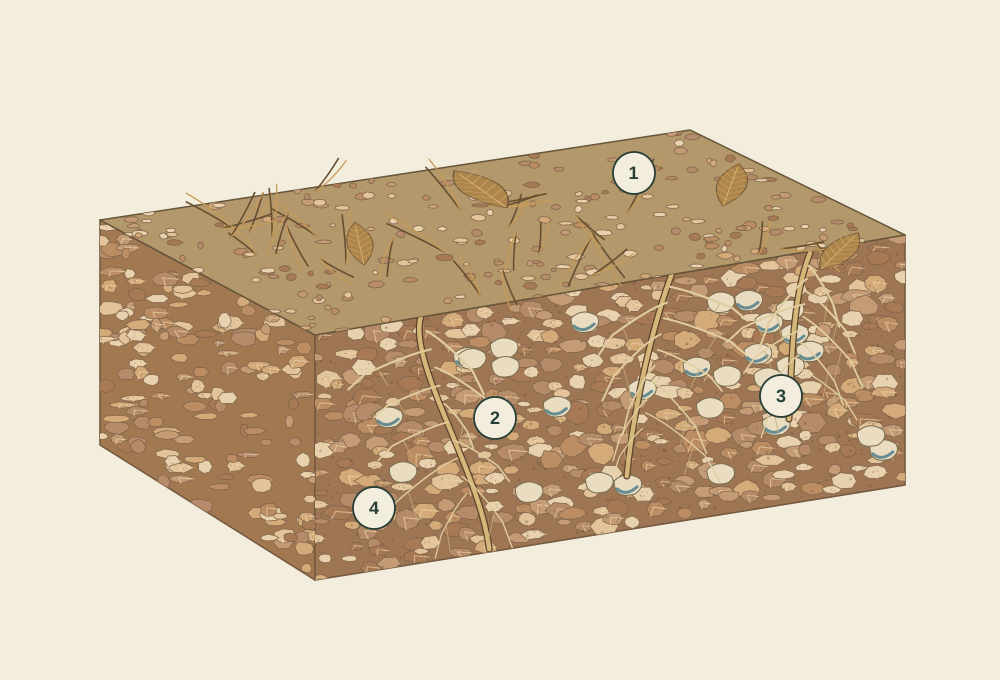
Selected Bryce pinyon-juniper and mixed-conifer plots in 2010. Section 3.2.6 describes litter, small rocks, and undifferentiated crust as prominent surface cover in sampled pinyon-juniper plots; litter dominated the mixed-conifer plots. Table 3-7 reports cyanobacterial, lichen, moss, and undifferentiated-crust categories separately. The methods refer to NRCS Panguitch soil mapping, distinct from the NPS inventory program. An historical monitoring snapshot of selected plots, not current park-wide condition or species identification. No plot locations, measured cover values, or sample geometry are transferred to the art.
- Discovering neglected lichen diversity with DNA-based inventories: metabarcoding lichen-forming fungi in Bryce Canyon National Park, Utah, USA ↗
Plant and Fungal Systematics · Robison, Adams & Leavitt · 2023-12-29 (research article publication; field sampling 2022). Checked 2 October 2026.
Three selected, ecologically distinct Bryce study areas. The study found distinct lichen-forming fungal assemblages among its selected study areas. The methods include multiple substrates, including rock and soil. The authors call for voucher-based collections to strengthen taxonomic determinations. A lichen DNA inventory is not a soil-crust cover map. Candidate DNA identifications are not all confirmed species. No sensitive taxon, precise location, sampling instructions, or source figure is reproduced.
- Upland Vegetation and Soils ↗
National Park Service · Northern Colorado Plateau Network · 2025-06-11 (page updated). Checked 2 October 2026.
Network program including Bryce Canyon. Bryce is among parks in the network's upland vegetation and soil monitoring program. The program measures biological soil crusts, soil stability, hydrologic function, and plant communities. A program overview does not establish the occurrence, cover, condition, or species composition of a particular Bryce soil patch.
- Nature & Science at Bryce Canyon ↗
National Park Service · Bryce Canyon National Park · 2021-01-27 (page updated). Checked 2 October 2026.
Bryce Canyon. Bryce includes spruce/fir, ponderosa pine, and pinyon/juniper forest zones. Habitat context only; not a soil map or a local crust inventory.
- NPS Geodiversity Atlas — Bryce Canyon National Park ↗
National Park Service · Geologic Resources Inventory · 2024-06-17 (page updated). Checked 2 October 2026.
Bryce Canyon. The checked page states that an NPS Soil Resources Inventory project has not been completed for Bryce. This is the status stated by this page, not a claim that no soil research or other soil data exist. Status may change.
- Biological Soil Crusts: Webs of Life in the Desert ↗
U.S. Geological Survey · Jayne Belnap · 2001 (publication year; Fact Sheet 065-01; doi:10.3133/fs06501). Checked 2 October 2026.
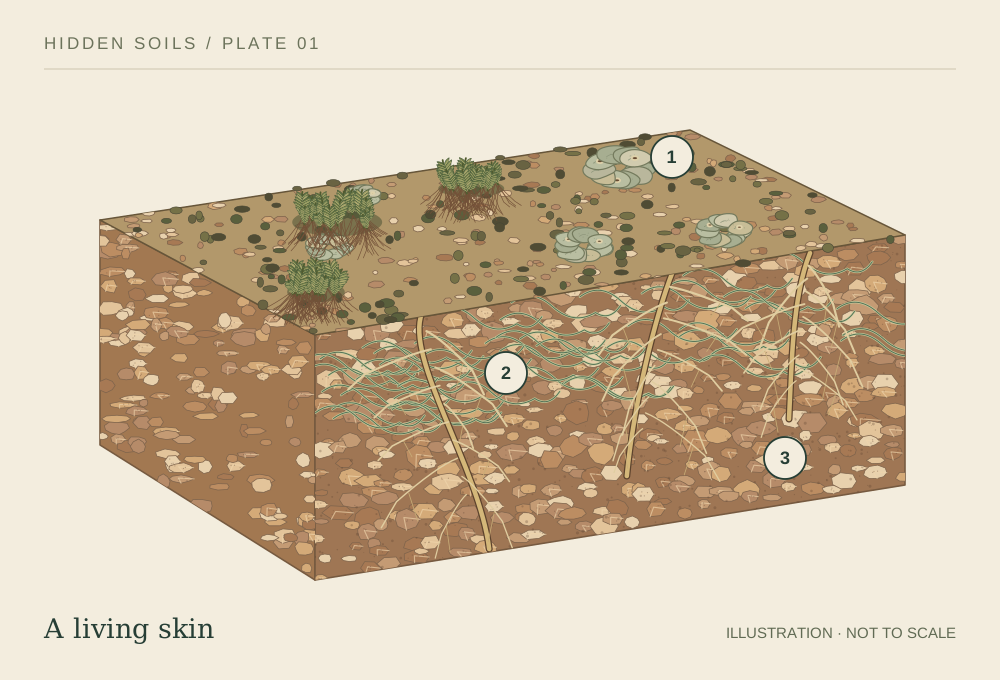
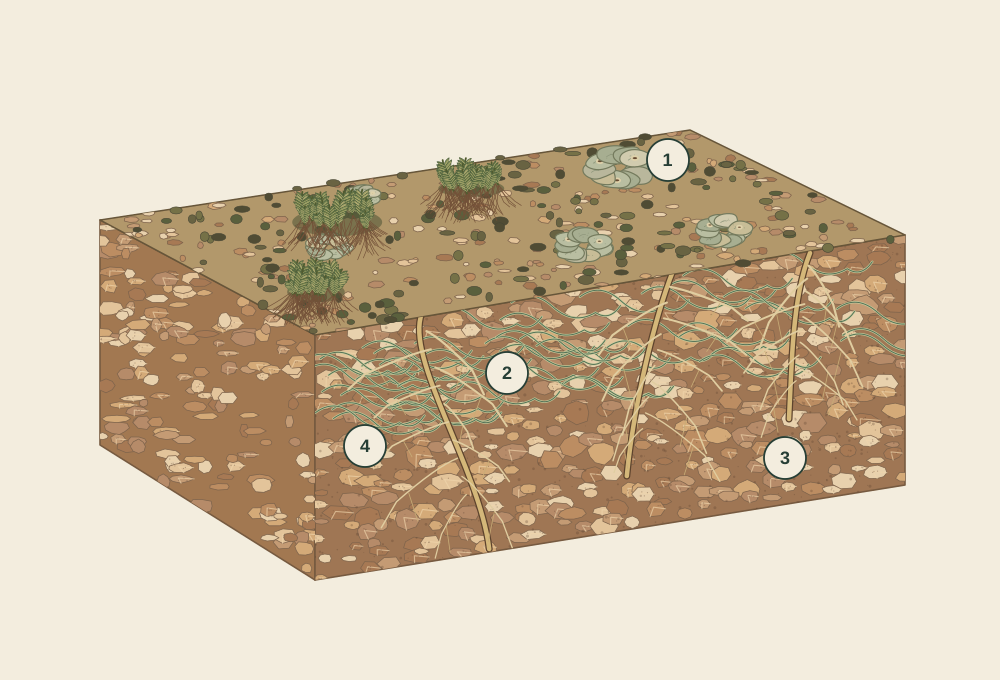
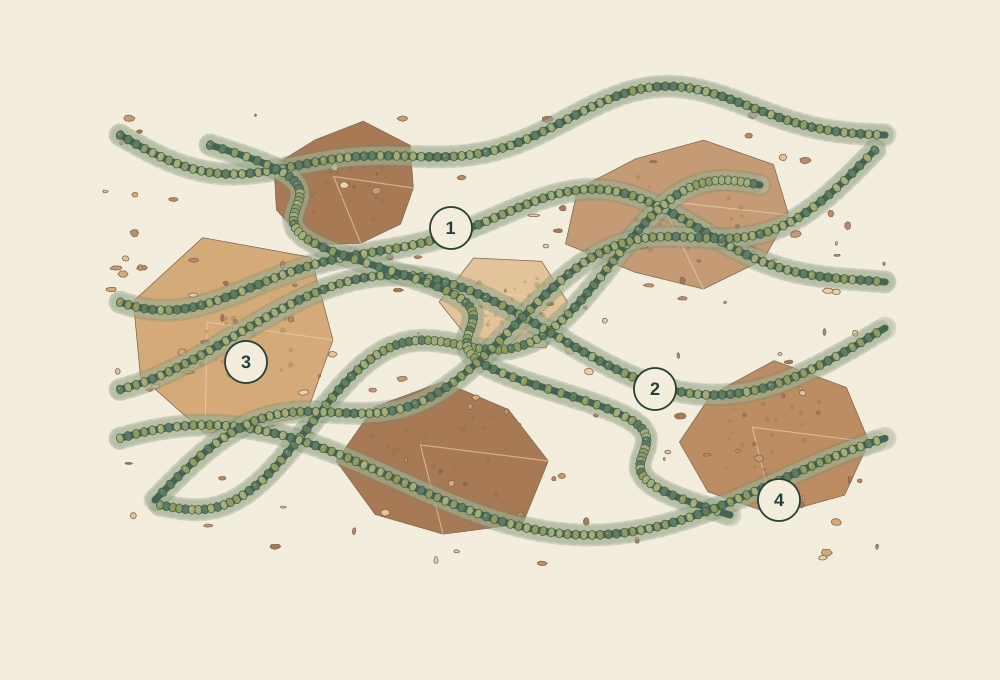
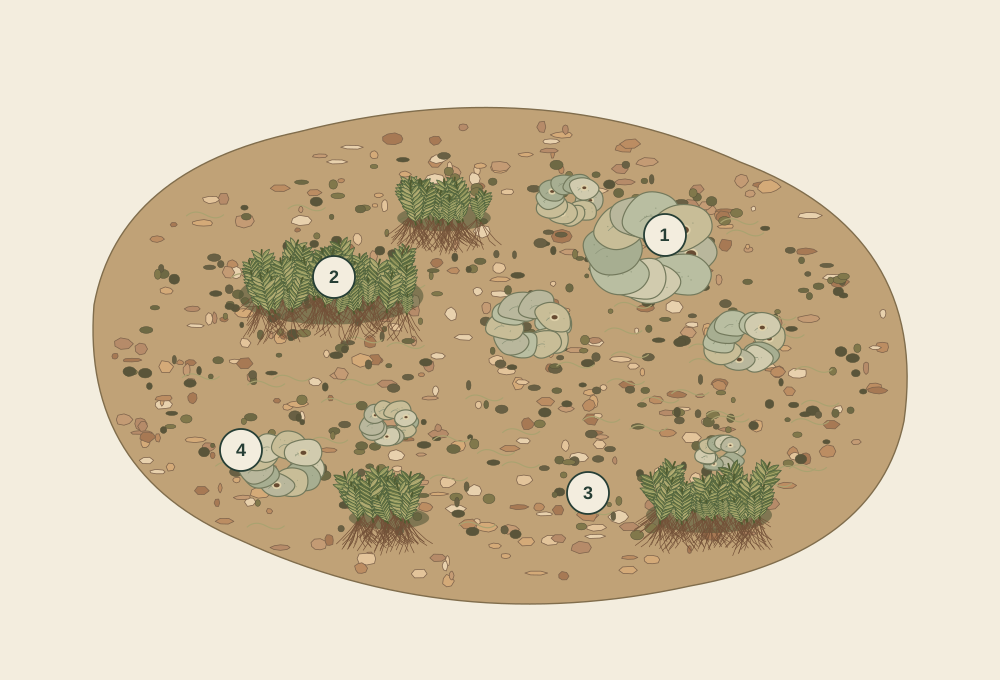
Drylands, general. Biocrust communities can include cyanobacteria, lichens, mosses, microfungi, bacteria, and green algae. Surface appearance and cover vary with environment and disturbance. Biocrusts help stabilize soil and contribute to soil fertility. Not a species list, percentage cover, or measured soil profile for Bryce.
- Biological Soil Crusts ↗
National Park Service · Capitol Reef National Park · 2021-02-20 (page updated). Checked 2 October 2026.
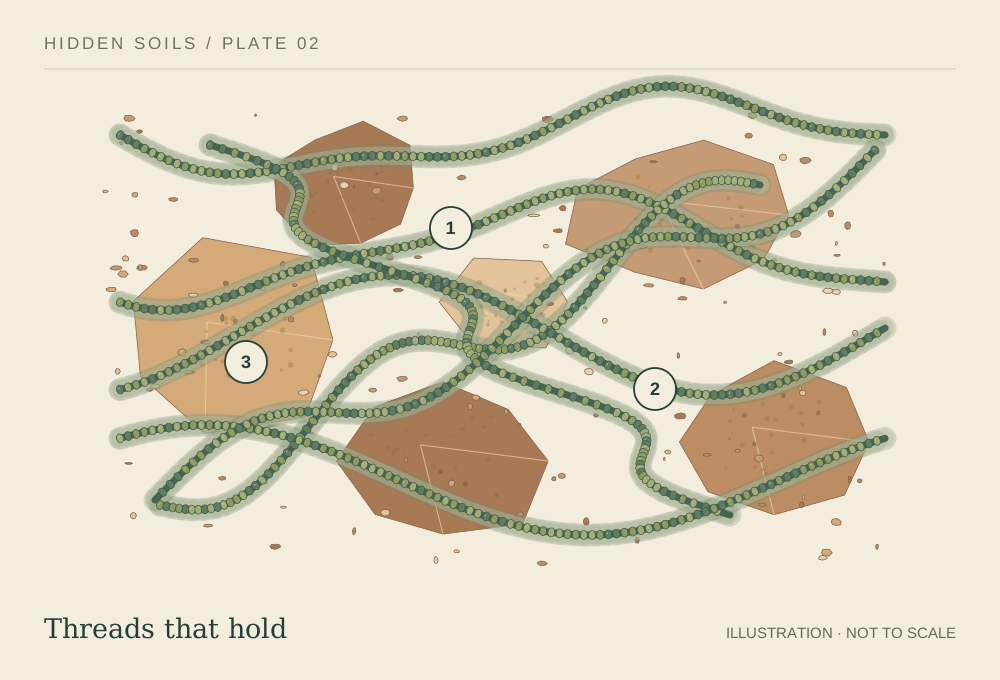
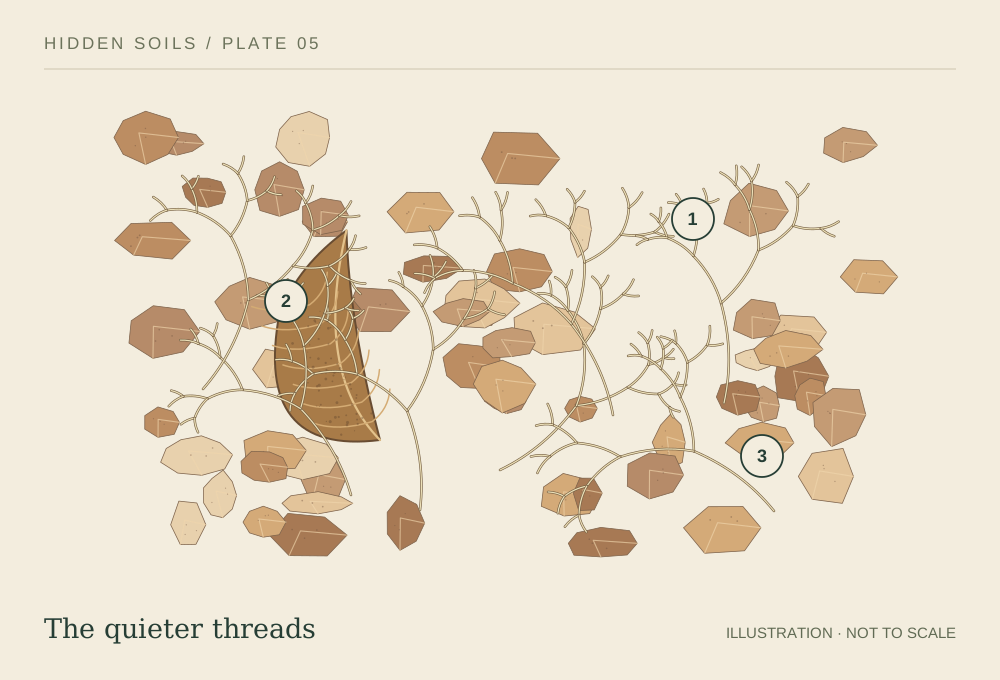
Capitol Reef / Colorado Plateau. Filamentous cyanobacteria and their sticky sheath material bind soil particles. Color varies with the combination of organisms. Footsteps and vehicles can damage crusts. Regional comparison; not evidence of a Bryce species or a recovery clock. No collection or wetting instructions are reproduced.
- Cryptobiotic Soil Crusts ↗
National Park Service · Glen Canyon National Recreation Area · 2024-06-17 (page updated). Checked 2 October 2026.
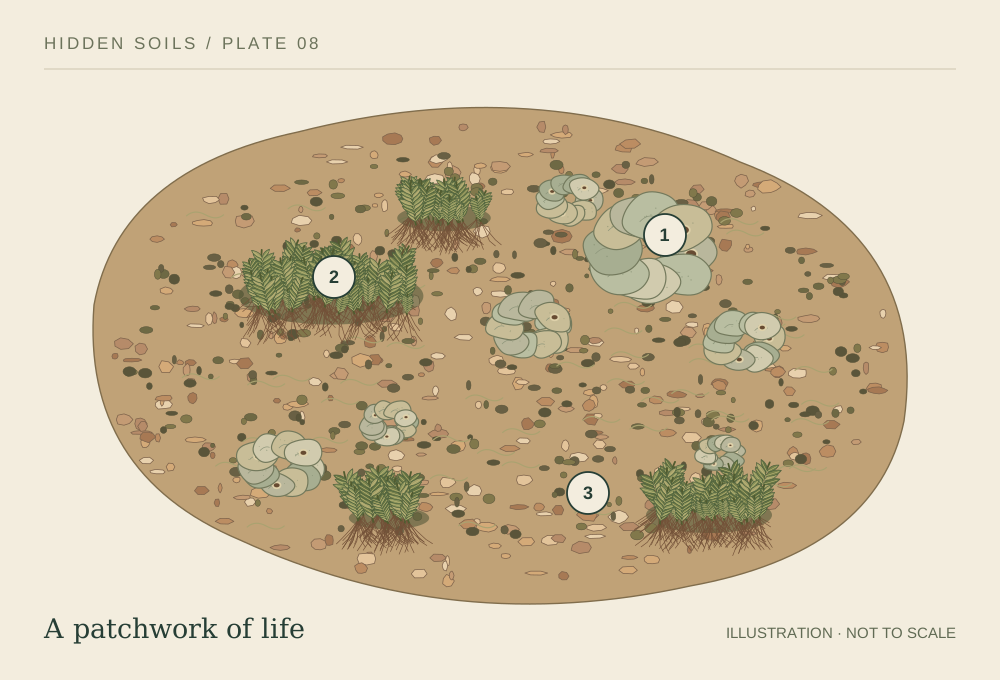
Glen Canyon / drylands. Crust development depends on soil, elevation, and microclimate. Some cyanobacteria and lichens contribute nitrogen fixation. Lichens and mosses may form a patchwork at the surface. No universal infiltration benefit, developmental sequence, or local Bryce abundance is inferred.
- Biological Soil Crust of Southeast Utah ↗
National Park Service · Southeast Utah Group · 2025-04-29 (page updated). Checked 2 October 2026.
Southeast Utah parks. Some crusts resemble bare soil; appearance alone is not a safe disturbance test. Trampling can break the living surface and expose loose material to erosion. Visitors should remain on designated routes. Park examples and recovery estimates are not transferred to Bryce. No field manipulation is encouraged.
- Soil Quality Indicators: Soil Structure & Macropores ↗
USDA Natural Resources Conservation Service · 2008-06 (document date). Checked 2 October 2026.
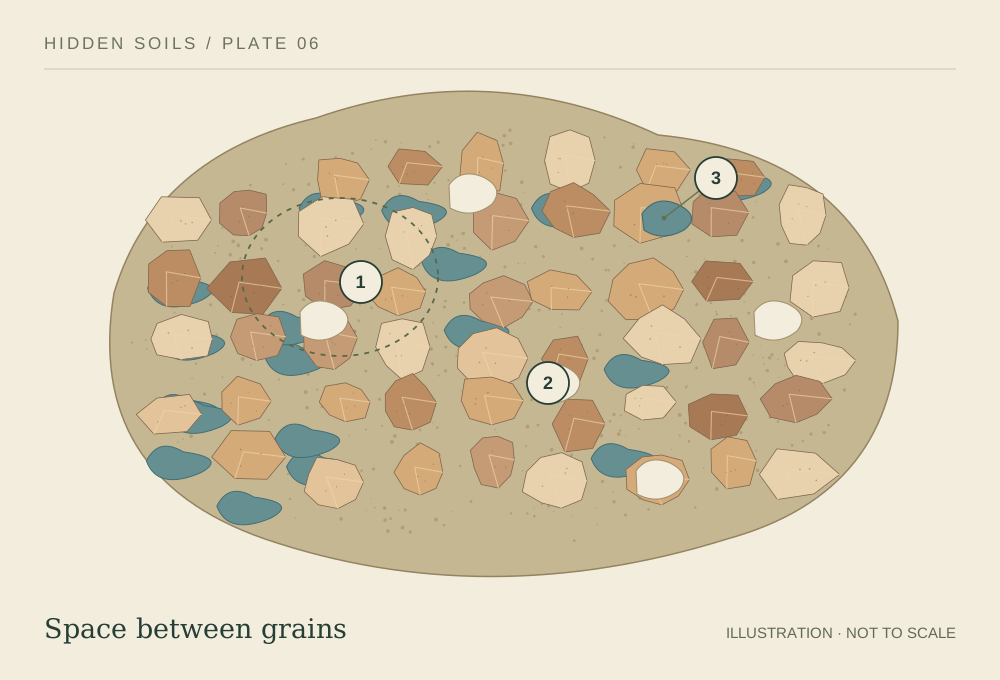
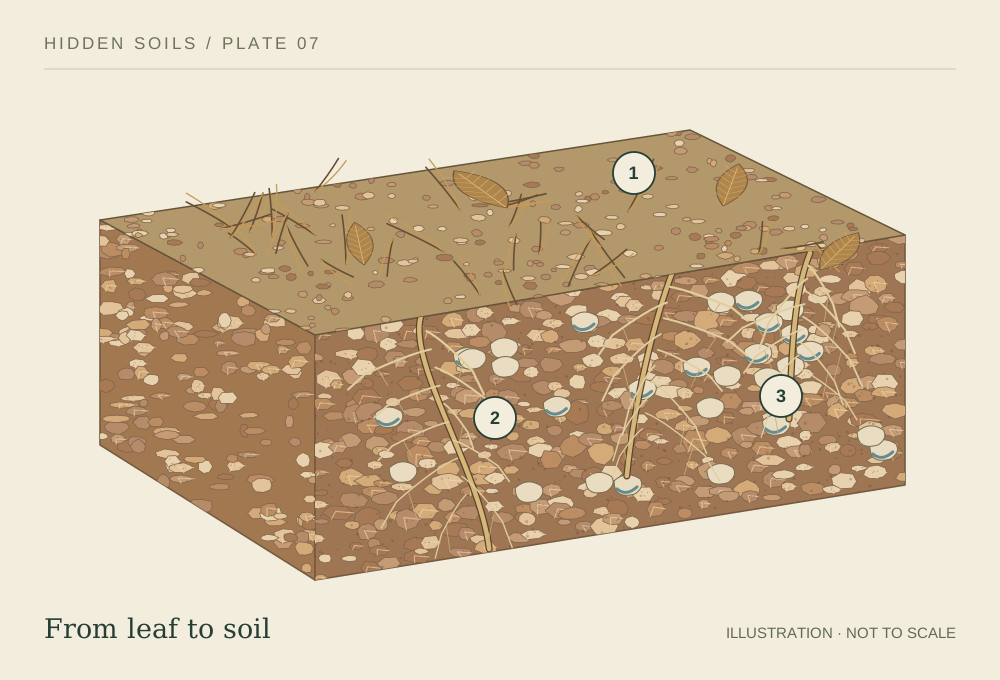
General soil science. Mineral particles form aggregates with spaces between and within them. Pore spaces contain air and water, and their arrangement affects movement. Roots, fungi, and microbial products help develop soil structure. General mechanisms, not a Bryce texture analysis, horizon sequence, or fixed fraction of air and water. Agricultural management advice is not transferred to protected park soils.
- What is a lichen? ↗
Australian National Botanic Gardens / Centre for Australian National Biodiversity Research · No date stated (undated page; checked 2026-10-02). Checked 2 October 2026.
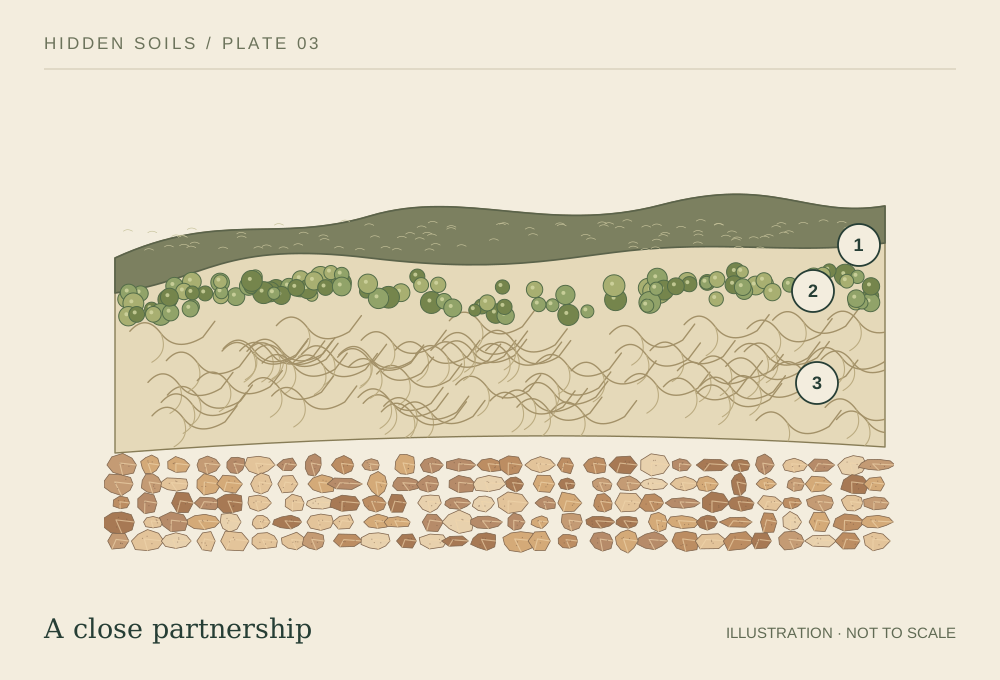
General lichen biology. Lichens associate a fungus with photosynthetic algae and/or cyanobacteria. Hyphae form the fungal body; structures vary among growth forms. A common thallus arrangement includes a cortex, photobiont cells, and medulla. General anatomy only. No Australian species is presented as a Bryce organism; the simplified section is not universal.
- What is a moss? ↗
Australian National Botanic Gardens · Australian Bryophytes · Heino Lepp · 2008-04-15 (page footer update date; copyright footer 2012). Checked 2 October 2026.
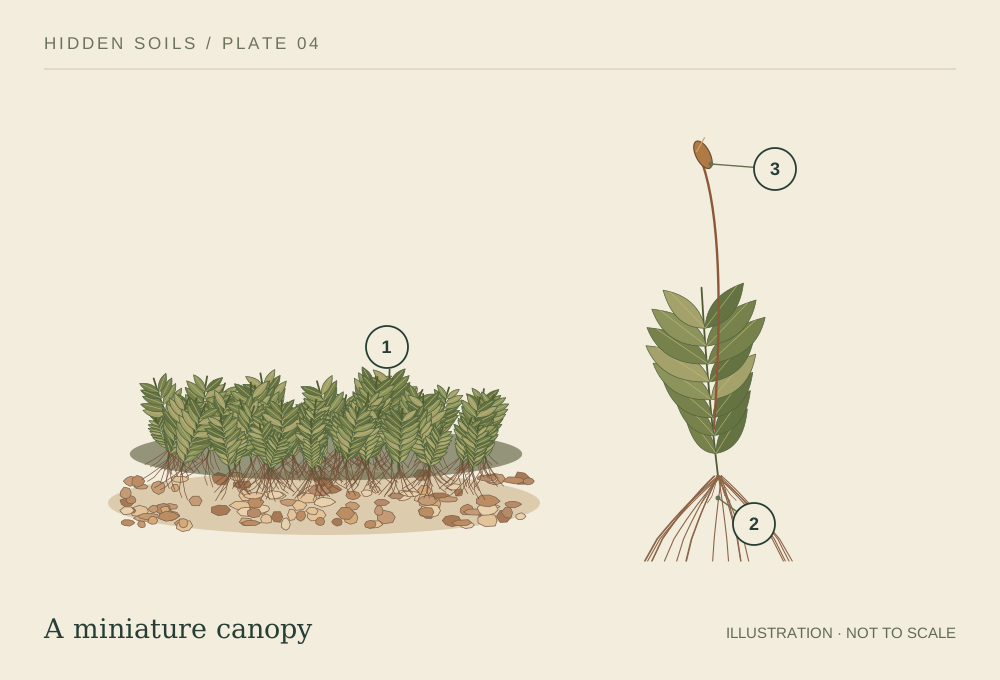
General moss biology. Mosses have leafy shoots and anchoring rhizoids rather than true roots. Spore capsules can be borne on stalks. General anatomy; no species or Bryce occurrence is implied.