Print this book or take a single plate. Study a shape, compare an edge, group a shadow. The exercises work without JavaScript.
These are original drawing prompts inspired by three credited archival photographs. They do not record a field visit. Suggested times are drawing intervals.
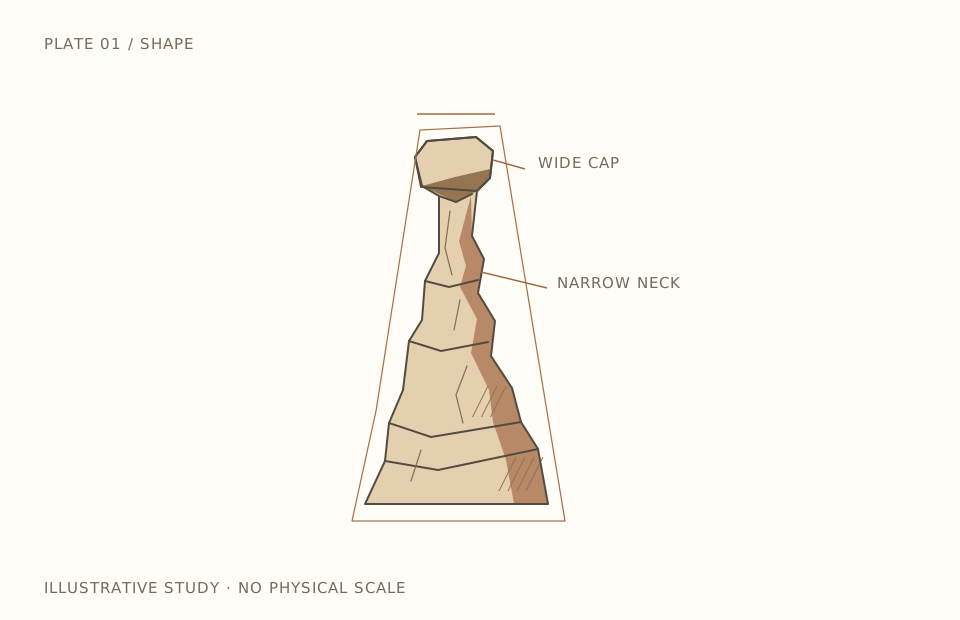
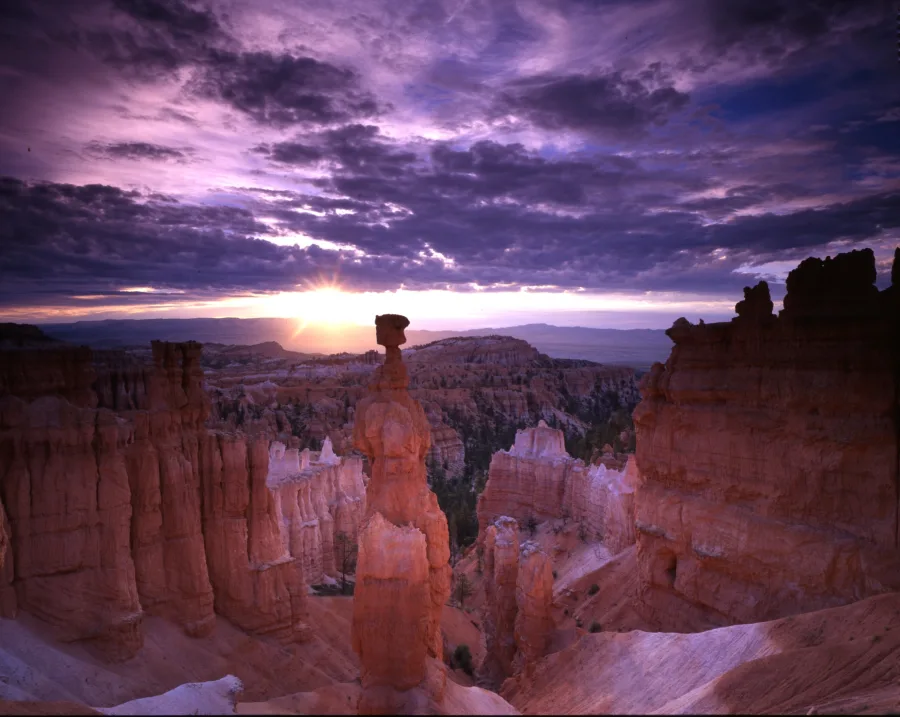
REFERENCE PHOTOGRAPH Thors Hammer at sunrise NPS Gallery; individual photographer not recorded · Public domain
What I notice / what I cannot infer
Original illustrative exercise; proportions, lighting and composition are interpretive. Not a ground scan, survey or recorded field observation. Reference rights & source ↗
02
SHAPE / 4 MIN SUGGESTED
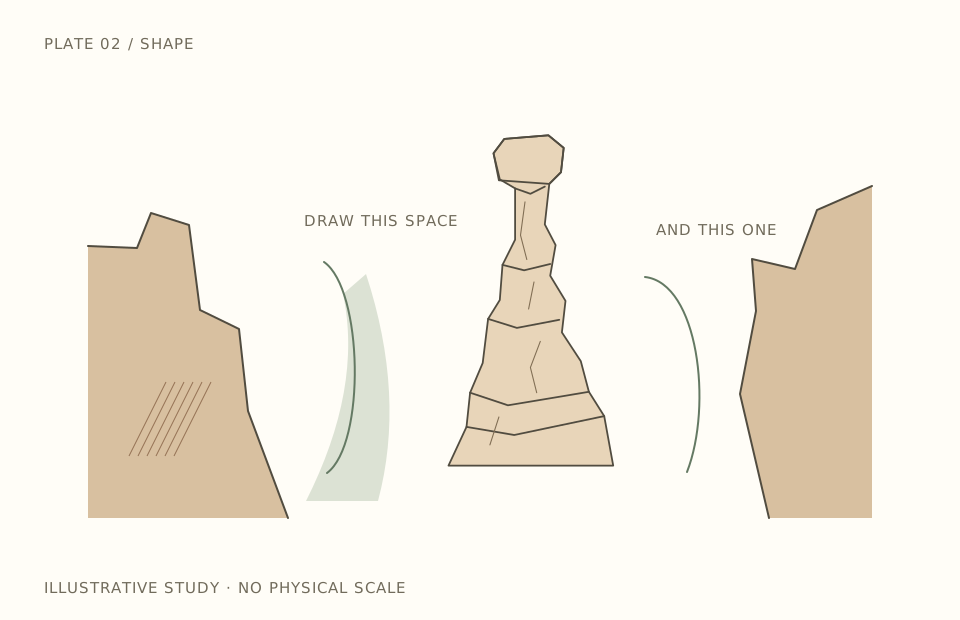
Draw the air
Notice the shape between objects.
Look at the sky and valley visible between the pillar and the rock walls. Sketch that opening as carefully as the rock.
REFERENCE PHOTOGRAPH Thors Hammer at sunrise NPS Gallery; individual photographer not recorded · Public domain
What I notice / what I cannot infer
Original illustrative exercise; proportions, lighting and composition are interpretive. Not a ground scan, survey or recorded field observation. Reference rights & source ↗
03
SHADOW / 5 MIN SUGGESTED
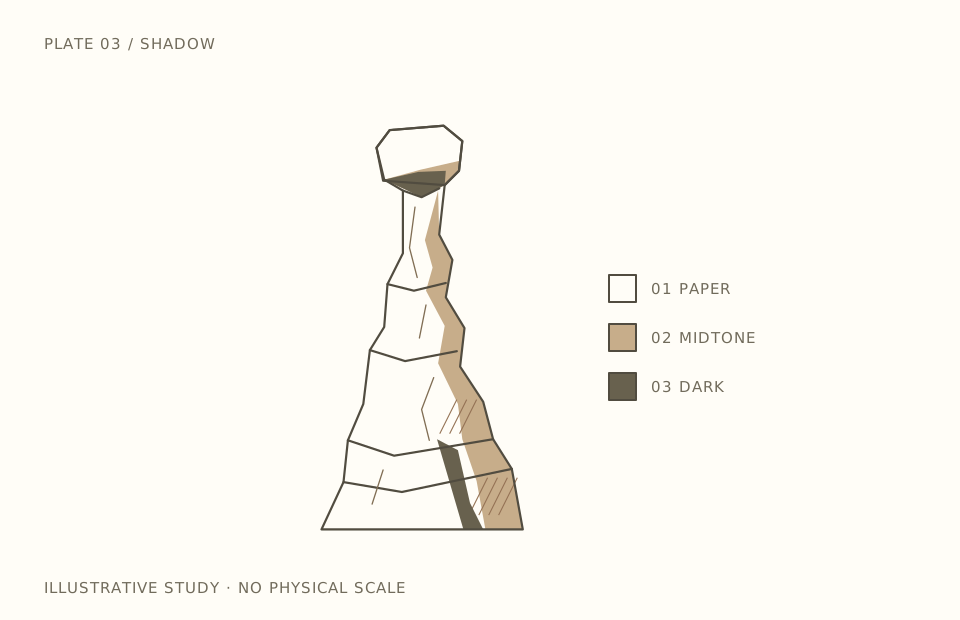
Three values, one form
Group light, midtone and dark.
Squint at the reference. Reduce the rock to three value groups. These teaching shadows simplify the photograph; they do not predict sunlight.
REFERENCE PHOTOGRAPH Thors Hammer at sunrise NPS Gallery; individual photographer not recorded · Public domain
What I notice / what I cannot infer
Original illustrative exercise; proportions, lighting and composition are interpretive. Not a ground scan, survey or recorded field observation. Reference rights & source ↗
04
EDGE / 4 MIN SUGGESTED
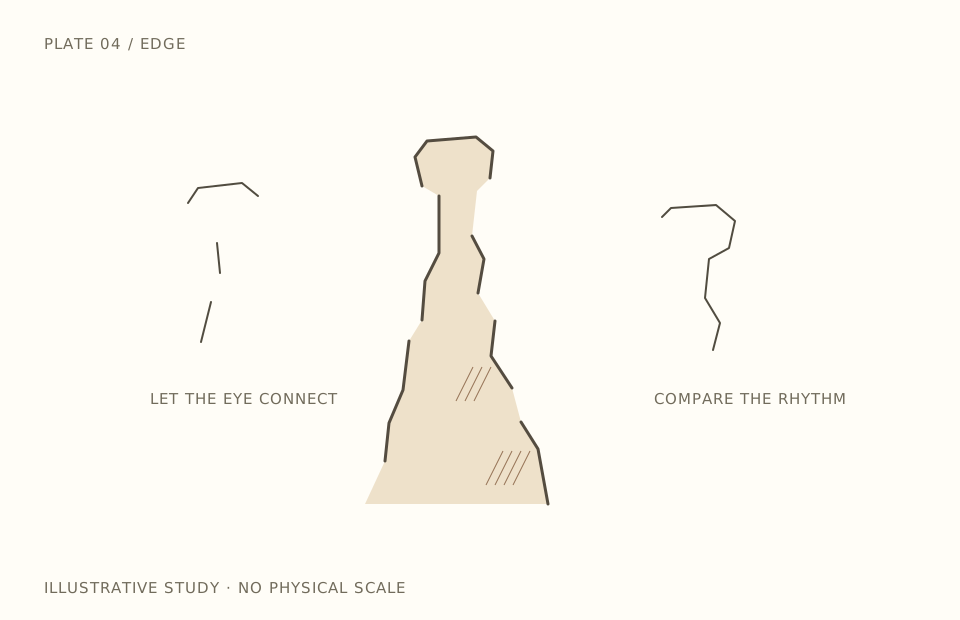
A broken edge
A contour need not say everything.
Choose a few edges you can see clearly. Let quiet passages remain open. Broken lines are a drawing choice, not missing survey data.
REFERENCE PHOTOGRAPH Thors Hammer at sunrise NPS Gallery; individual photographer not recorded · Public domain
What I notice / what I cannot infer
Original illustrative exercise; proportions, lighting and composition are interpretive. Not a ground scan, survey or recorded field observation. Reference rights & source ↗
05
SHAPE / 4 MIN SUGGESTED
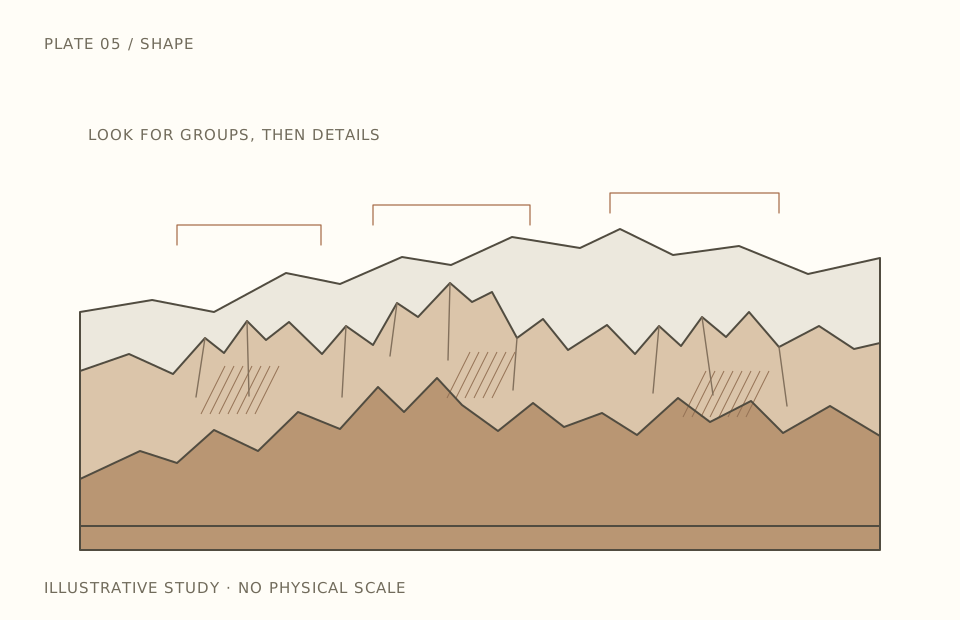
The rim in rhythms
Find large groups before small spires.
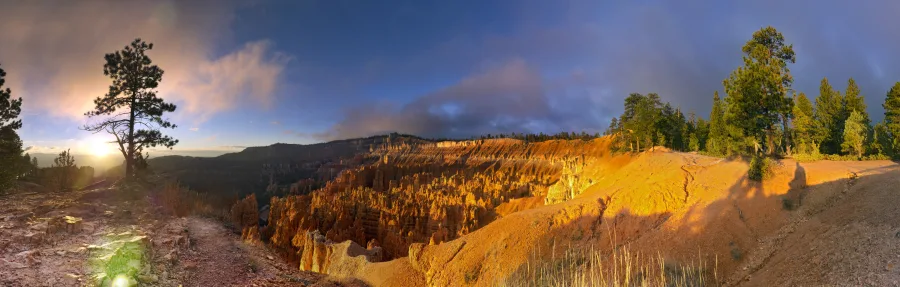
Follow the rising and falling silhouette of the distant rim. Reduce its many details to a handful of groups.
REFERENCE PHOTOGRAPH Early Riser At The Amphitheater Brian B. Roanhorse / NPS · Public domain
What I notice / what I cannot infer
Original illustrative exercise; proportions, lighting and composition are interpretive. Not a ground scan, survey or recorded field observation. Reference rights & source ↗
06
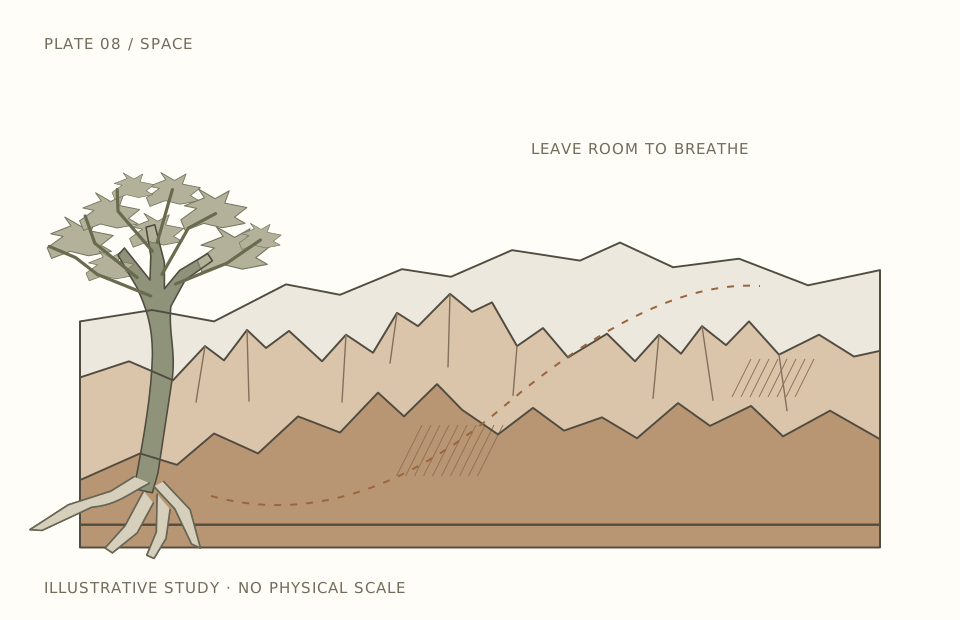
SPACE / 5 MIN SUGGESTED
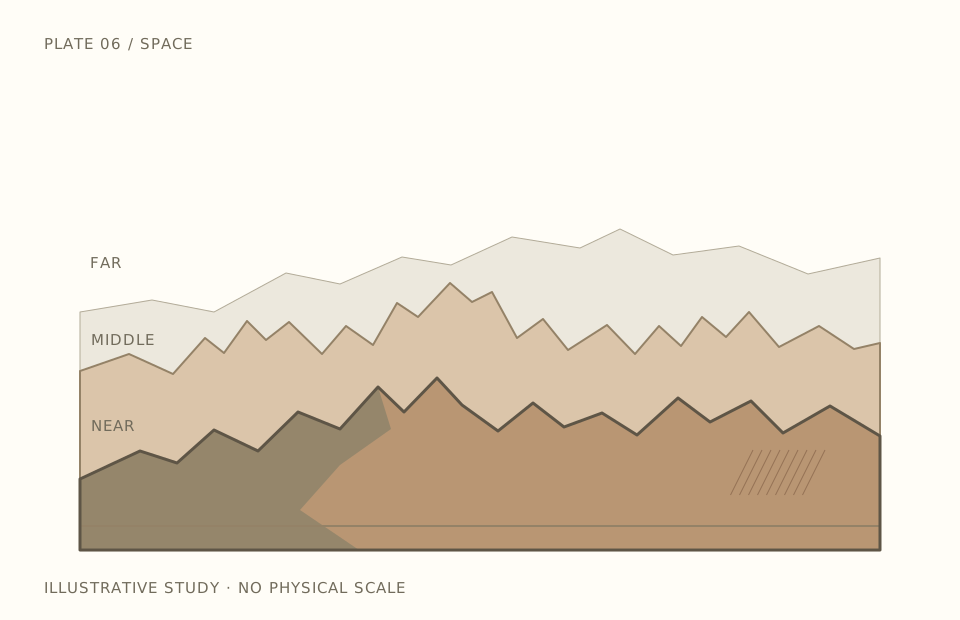
Near, middle, far
Use overlap to suggest distance.
Separate a scene into three overlapping bands. The drawing uses value and line weight for depth; its distances are not measured.
REFERENCE PHOTOGRAPH Early Riser At The Amphitheater Brian B. Roanhorse / NPS · Public domain
What I notice / what I cannot infer
Original illustrative exercise; proportions, lighting and composition are interpretive. Not a ground scan, survey or recorded field observation. Reference rights & source ↗
07
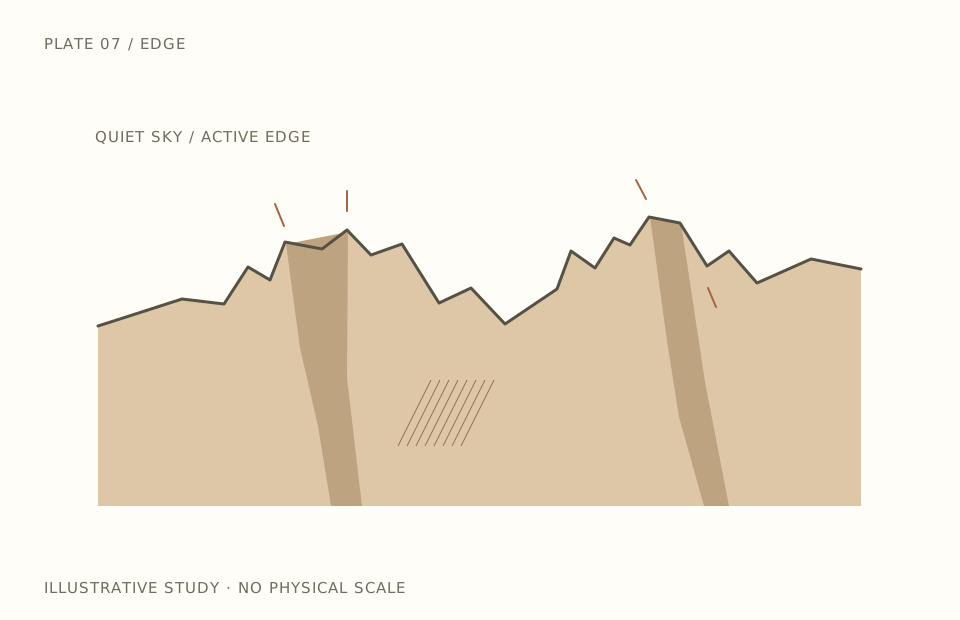
EDGE / 4 MIN SUGGESTED
An edge against the sky
Let the silhouette carry the detail.
Follow a small section of the rim against open sky. Alternate longer quiet edges with short, abrupt changes.
REFERENCE PHOTOGRAPH Early Riser At The Amphitheater Brian B. Roanhorse / NPS · Public domain
What I notice / what I cannot infer
Original illustrative exercise; proportions, lighting and composition are interpretive. Not a ground scan, survey or recorded field observation. Reference rights & source ↗
08
SPACE / 6 MIN SUGGESTED
A path for the eye
Make a composition with three anchors.
Arrange foreground, rock groups and open sky so your eye can travel through the page. The dashed route is compositional, never a hiking route.
REFERENCE PHOTOGRAPH Early Riser At The Amphitheater Brian B. Roanhorse / NPS · Public domain
What I notice / what I cannot infer
Original illustrative exercise; proportions, lighting and composition are interpretive. Not a ground scan, survey or recorded field observation. Reference rights & source ↗
09
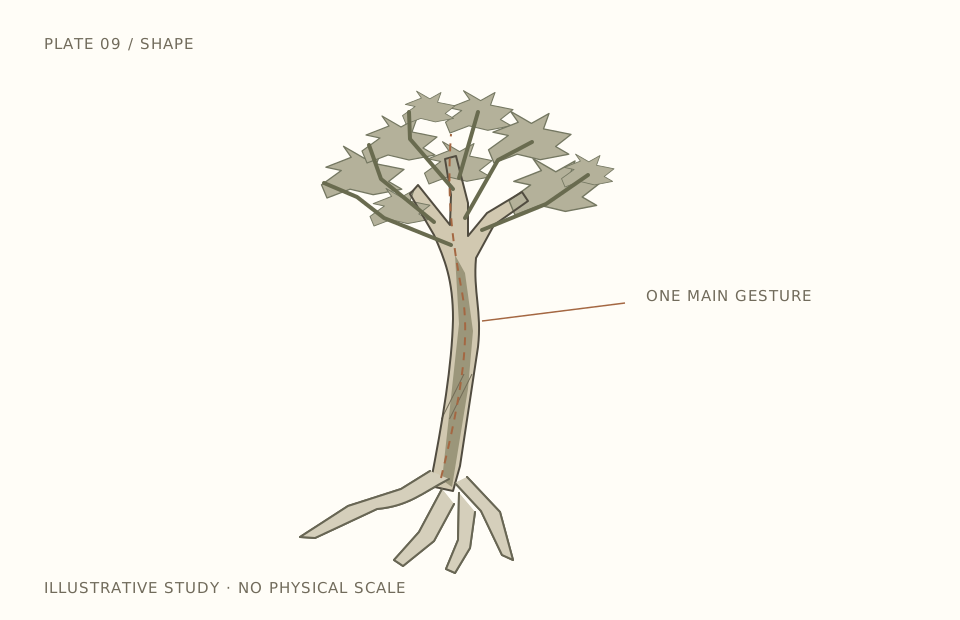
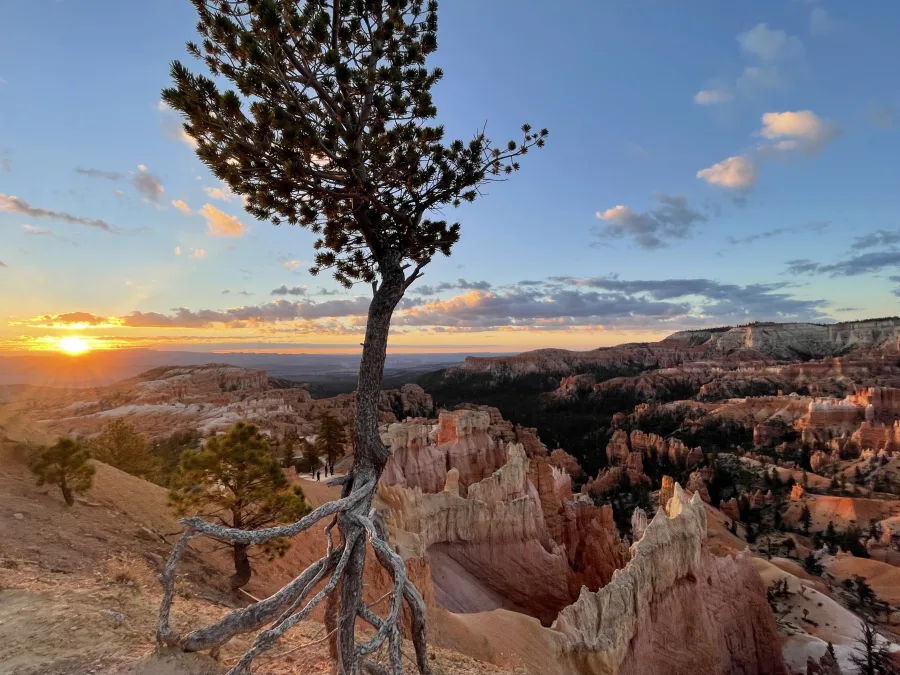
SHAPE / 3 MIN SUGGESTED
The gesture of a tree
Find the bend before the branches.
Follow the trunk from its roots to its crown. Begin with one flowing line, then build width around it. No species identification is implied.
REFERENCE PHOTOGRAPH A tree grows at Sunrise Point Heather Williamson / NPS · Public domain
What I notice / what I cannot infer
Original illustrative exercise; proportions, lighting and composition are interpretive. Not a ground scan, survey or recorded field observation. Reference rights & source ↗
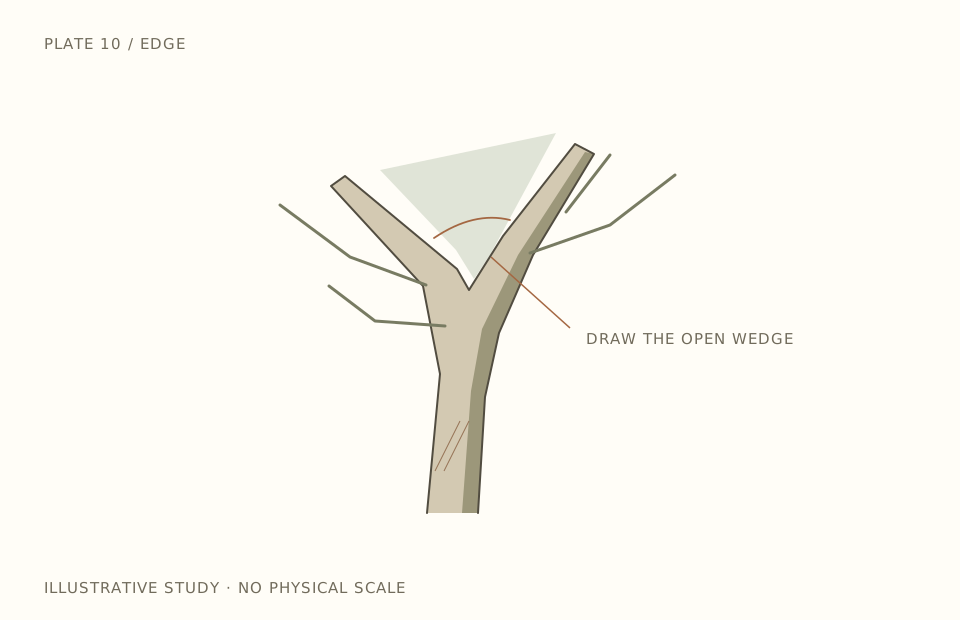
10
EDGE / 5 MIN SUGGESTED
Branch & counterspace
Observe the angle where forms meet.
Study a fork in the branches. Draw the open wedge between them first, then the wood that surrounds it.
REFERENCE PHOTOGRAPH A tree grows at Sunrise Point Heather Williamson / NPS · Public domain
What I notice / what I cannot infer
Original illustrative exercise; proportions, lighting and composition are interpretive. Not a ground scan, survey or recorded field observation. Reference rights & source ↗
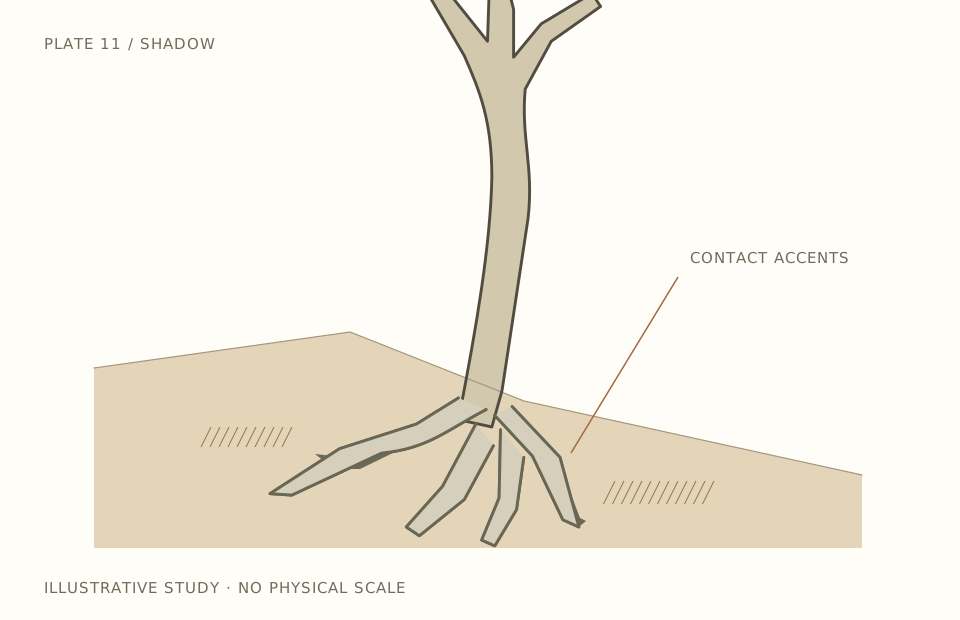
11
SHADOW / 6 MIN SUGGESTED
Root, rock & shadow
Describe contact with a small dark.
Observe the places where a root meets the ground. Use a narrow dark accent to describe contact without filling every space.
REFERENCE PHOTOGRAPH A tree grows at Sunrise Point Heather Williamson / NPS · Public domain
What I notice / what I cannot infer
Original illustrative exercise; proportions, lighting and composition are interpretive. Not a ground scan, survey or recorded field observation. Reference rights & source ↗
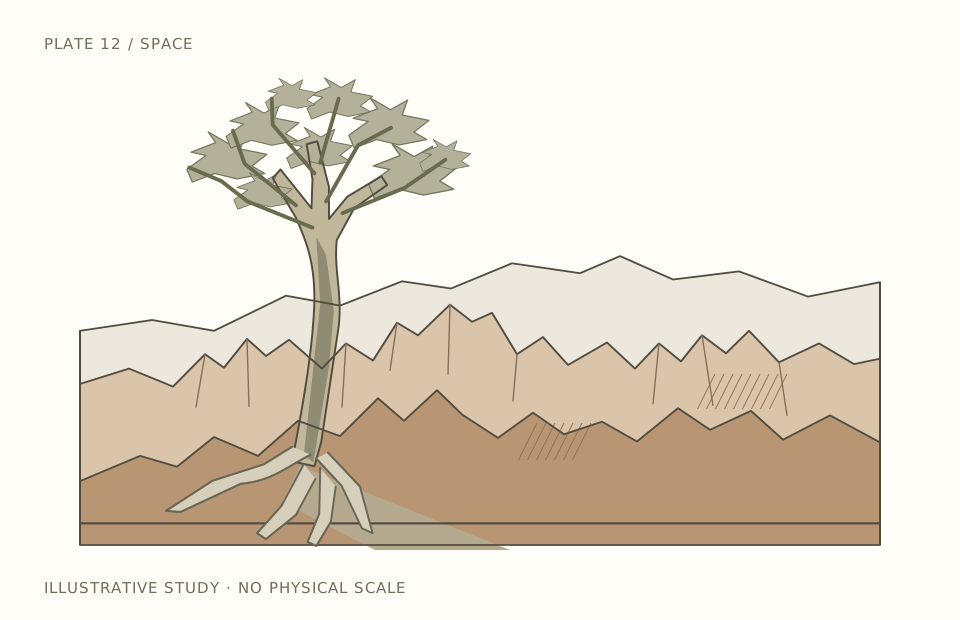
12
SPACE / 8 MIN SUGGESTED
A small, complete study
Bring shape, edge and shadow together.
Make a compact study with a foreground tree, rock groups and open sky. Add a note about what you notice and what you cannot infer.
REFERENCE PHOTOGRAPH A tree grows at Sunrise Point Heather Williamson / NPS · Public domain
What I notice / what I cannot infer
Original illustrative exercise; proportions, lighting and composition are interpretive. Not a ground scan, survey or recorded field observation. Reference rights & source ↗