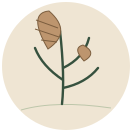
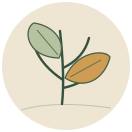
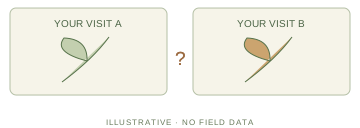
Choose a plant you can view without leaving established access. Which parts can you actually see?
Sketch a visible feature. Label uncertainty.
02 · Follow the light
Sketch the edge between sunlight and shade. Add a time only if you recorded it.
Sketch or describe light; record your viewpoint.
03 · Keep the question open
Write one thing that is concealed or too distant to judge.
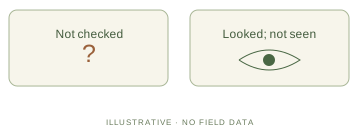
Plant evidence: □ not checked □ looked, not seen □ visible feature: ______________ Current conditions remain unknown unless you record an observation. No visit is implied.
BCC · Season NotebookFebruary / Sheet 02
Light & shelter
Follow the edge of light
Return to one view. A repeatable viewpoint makes a small change easier to describe.
CALCULATED REFERENCE · 2026-02-15
≈ 10 h 45 min
Daylight at nominal 37.6° N; nearest 5 minutes. Reference horizon; no terrain or cloud effects.
HISTORICAL REFERENCE · FEBRUARY
38° / 17° F
NPS monthly average high / low. Averaging period and station unspecified.
Compare two visible plant shapes. Record needles, leaves or bare stems before trying to name them.
Sketch a visible feature. Label uncertainty.
02 · Follow the light
Compare today’s shadow sketch with an earlier sketch made at a similar time.
Sketch or describe light; record your viewpoint.
03 · Keep the question open
Was the ground visible on both visits? A covered surface cannot be compared as if it were bare.
Plant evidence: □ not checked □ looked, not seen □ visible feature: ______________ Current conditions remain unknown unless you record an observation. No visit is implied.
BCC · Season NotebookMarch / Sheet 03
Change & uncertainty
Hold two possibilities
Longer calculated days and an uncertain view can coexist. Let the evidence set the sentence.
CALCULATED REFERENCE · 2026-03-15
≈ 11 h 55 min
Daylight at nominal 37.6° N; nearest 5 minutes. Reference horizon; no terrain or cloud effects.
HISTORICAL REFERENCE · MARCH
45° / 23° F
NPS monthly average high / low. Averaging period and station unspecified.
If a bud is visible, describe its shape. If you cannot see one, record “uncertain” instead of “absent.”
Sketch a visible feature. Label uncertainty.
02 · Follow the light
Compare this month’s estimated day length with February’s. Keep the reference dates attached.
Sketch or describe light; record your viewpoint.
03 · Keep the question open
Describe the sky you observe separately from the historical monthly averages.
Plant evidence: □ not checked □ looked, not seen □ visible feature: ______________ Current conditions remain unknown unless you record an observation. No visit is implied.
BCC · Season NotebookApril / Sheet 04
A repeat visit
Look for small changes
Pick a visible feature that you could recognize again: one branch tip, leaf edge or seed head.
CALCULATED REFERENCE · 2026-04-15
≈ 13 h 10 min
Daylight at nominal 37.6° N; nearest 5 minutes. Reference horizon; no terrain or cloud effects.
HISTORICAL REFERENCE · APRIL
54° / 29° F
NPS monthly average high / low. Averaging period and station unspecified.
Draw that feature twice on separate dates. Include “no change seen” when that is your observation.
Sketch a visible feature. Label uncertainty.
02 · Follow the light
Notice whether the feature is shaded or sunlit. Record both visits at a similar time if possible.
Sketch or describe light; record your viewpoint.
03 · Keep the question open
What changed in your view: the plant, the light, your distance, or more than one?
Plant evidence: □ not checked □ looked, not seen □ visible feature: ______________ Current conditions remain unknown unless you record an observation. No visit is implied.
BCC · Season NotebookMay / Sheet 05
Place matters
Read the microhabitat
Two plants on the same day may have different surroundings. Describe those surroundings first.
CALCULATED REFERENCE · 2026-05-15
≈ 14 h 10 min
Daylight at nominal 37.6° N; nearest 5 minutes. Reference horizon; no terrain or cloud effects.
HISTORICAL REFERENCE · MAY
64° / 37° F
NPS monthly average high / low. Averaging period and station unspecified.
From established access, compare an open place and a shaded place. Do not assume every meadow is wet.
Sketch a visible feature. Label uncertainty.
02 · Follow the light
Mark each view as sunlit, shaded, mixed or unknown.
Sketch or describe light; record your viewpoint.
03 · Keep the question open
Which comparison is fair when the dates match but habitat and plant identity differ?
Plant evidence: □ not checked □ looked, not seen □ visible feature: ______________ Current conditions remain unknown unless you record an observation. No visit is implied.
BCC · Season NotebookJune / Sheet 06
Duration & experience
Measure a long day
A calculated day length describes a reference horizon. A shaded viewpoint can feel different.
CALCULATED REFERENCE · 2026-06-15
≈ 14 h 45 min
Daylight at nominal 37.6° N; nearest 5 minutes. Reference horizon; no terrain or cloud effects.
HISTORICAL REFERENCE · JUNE
75° / 45° F
NPS monthly average high / low. Averaging period and station unspecified.
Look for any visible leaf or needle. Make a shape drawing without assigning a species.
Sketch a visible feature. Label uncertainty.
02 · Follow the light
Compare June 15 and December 15 in the model. Explain why this is not a hiking-time allowance.
Sketch or describe light; record your viewpoint.
03 · Keep the question open
List what the model leaves out: clouds, a nearby cliff, trees, or your own observation time.
Plant evidence: □ not checked □ looked, not seen □ visible feature: ______________ Current conditions remain unknown unless you record an observation. No visit is implied.
BCC · Season NotebookJuly / Sheet 07
One day, many years
Separate weather from climate
A description of your visit and a historical monthly average answer different questions.
CALCULATED REFERENCE · 2026-07-15
≈ 14 h 30 min
Daylight at nominal 37.6° N; nearest 5 minutes. Reference horizon; no terrain or cloud effects.
HISTORICAL REFERENCE · JULY
80° / 53° F
NPS monthly average high / low. Averaging period and station unspecified.
Describe one visible plant feature and how confident you are that you can see it.
Sketch a visible feature. Label uncertainty.
02 · Follow the light
Record the sky as observed. Do not fill an unmeasured temperature with a monthly average.
Sketch or describe light; record your viewpoint.
03 · Keep the question open
Compare the January and July reference highs. What can that contrast tell you, and what can’t it?
Plant evidence: □ not checked □ looked, not seen □ visible feature: ______________ Current conditions remain unknown unless you record an observation. No visit is implied.
BCC · Season NotebookAugust / Sheet 08
Sequence, not schedule
Revisit a flower
A flower, fruit or dry stem can become a repeatable subject if one is visible. Any outcome is useful.
CALCULATED REFERENCE · 2026-08-15
≈ 13 h 40 min
Daylight at nominal 37.6° N; nearest 5 minutes. Reference horizon; no terrain or cloud effects.
HISTORICAL REFERENCE · AUGUST
77° / 50° F
NPS monthly average high / low. Averaging period and station unspecified.
Choose “flower,” “fruit or cone,” “other,” or “unknown” from what is actually visible.
Sketch a visible feature. Label uncertainty.
02 · Follow the light
Use a sketch to keep your subject consistent between visits. Avoid picking or moving it.
Sketch or describe light; record your viewpoint.
03 · Keep the question open
Could a difference come from comparing different plants? Write the uncertainty down.
Plant evidence: □ not checked □ looked, not seen □ visible feature: ______________ Current conditions remain unknown unless you record an observation. No visit is implied.
BCC · Season NotebookSeptember / Sheet 09
Evidence before names
Look for late-year evidence
Make a record you can return to in October. There is no required seasonal appearance.
CALCULATED REFERENCE · 2026-09-15
≈ 12 h 30 min
Daylight at nominal 37.6° N; nearest 5 minutes. Reference horizon; no terrain or cloud effects.
HISTORICAL REFERENCE · SEPTEMBER
70° / 42° F
NPS monthly average high / low. Averaging period and station unspecified.
Describe visible leaf colors, needles, fruit or cones. Leave identity open when you are unsure.
Sketch a visible feature. Label uncertainty.
02 · Follow the light
Compare September 15 and March 15 day lengths and historical temperatures.
Sketch or describe light; record your viewpoint.
03 · Keep the question open
Does a similar amount of daylight imply the same temperature or the same plant stage?
Plant evidence: □ not checked □ looked, not seen □ visible feature: ______________ Current conditions remain unknown unless you record an observation. No visit is implied.
BCC · Season NotebookOctober / Sheet 10
Color & context
Map a patch of color
A small palette can record a view without turning a seasonal pattern into a prediction.
CALCULATED REFERENCE · 2026-10-15
≈ 11 h 15 min
Daylight at nominal 37.6° N; nearest 5 minutes. Reference horizon; no terrain or cloud effects.
HISTORICAL REFERENCE · OCTOBER
58° / 32° F
NPS monthly average high / low. Averaging period and station unspecified.
Sketch a visible leaf or needle shape and label its color with words. A color alone is not a species.
Sketch a visible feature. Label uncertainty.
02 · Follow the light
Record whether the view is sunlit or shaded; illumination affects your color comparison.
Sketch or describe light; record your viewpoint.
03 · Keep the question open
NPS describes gold autumn aspen leaves. What evidence would you need to identify your own subject?
Plant evidence: □ not checked □ looked, not seen □ visible feature: ______________ Current conditions remain unknown unless you record an observation. No visit is implied.
BCC · Season NotebookNovember / Sheet 11
Unknown is useful
Notice what is missing
“Not seen,” “not looked for,” and “not present” are different statements.
CALCULATED REFERENCE · 2026-11-15
≈ 10 h 10 min
Daylight at nominal 37.6° N; nearest 5 minutes. Reference horizon; no terrain or cloud effects.
HISTORICAL REFERENCE · NOVEMBER
45° / 23° F
NPS monthly average high / low. Averaging period and station unspecified.
Choose one feature to look for from established access, then record the limits of your view.
Sketch a visible feature. Label uncertainty.
02 · Follow the light
Compare this view with a previous note. Was the viewing effort similar?
Sketch or describe light; record your viewpoint.
03 · Keep the question open
Revise “there were no flowers” into a sentence that says what you checked and what stayed unknown.
Plant evidence: □ not checked □ looked, not seen □ visible feature: ______________ Current conditions remain unknown unless you record an observation. No visit is implied.
BCC · Season NotebookDecember / Sheet 12
A year of looking
Close the circle
Return to one earlier entry. A notebook is a record of visits, including gaps.
CALCULATED REFERENCE · 2026-12-15
≈ 9 h 35 min
Daylight at nominal 37.6° N; nearest 5 minutes. Reference horizon; no terrain or cloud effects.
HISTORICAL REFERENCE · DECEMBER
36° / 15° F
NPS monthly average high / low. Averaging period and station unspecified.
Pick the same subject if you can recognize it. Otherwise say that the subject changed.
Sketch a visible feature. Label uncertainty.
02 · Follow the light
Compare two dated records and the reference daylight estimates. Keep modeled and seen evidence separate.
Sketch or describe light; record your viewpoint.
03 · Keep the question open
Write a question for a future visit without predicting when a plant will bloom or a road will open.
Plant evidence: □ not checked □ looked, not seen □ visible feature: ______________ Current conditions remain unknown unless you record an observation. No visit is implied.
BCC · Season NotebookComparison 1 / 6
01 · Light across the year · 5 minutes
How much longer is a day?
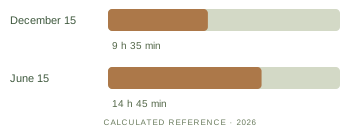
Compare the two June and December reference dates. How much does modeled daylight change?
Try the comparison
Read the complete date and latitude beside each estimate.
Subtract the shorter duration from the longer one. The comparison below does this for you.
Name two reasons your view could receive less direct sun than this model suggests.
Suggested pages: December and June. If you have no observations, leave those parts unknown; the reference values can still be compared.
Your evidence & uncertainty
READ AFTER YOU TRYA horizon-based day length is not hours of direct sun at a particular trail. Cliffs, trees, cloud and atmospheric conditions matter. Never use this model as a travel-time or safety allowance.
BCC · Season NotebookComparison 2 / 6
02 · Read two kinds of evidence · 7 minutes
Similar light, different warmth
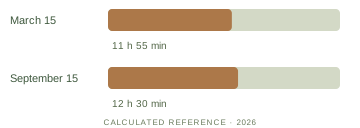
March and September have broadly similar day lengths. Do their historical average highs match?
Try the comparison
Compare the two modeled day lengths, without calling the dates equinoxes.
Compare the historical monthly average highs and lows.
Explain why a daylight number alone is not a temperature forecast or a bloom calendar.
Suggested pages: March and September. If you have no observations, leave those parts unknown; the reference values can still be compared.
Your evidence & uncertainty
READ AFTER YOU TRYThe reference temperatures differ even when day lengths are broadly similar. This comparison does not isolate a cause: temperatures depend on more than that day’s amount of daylight. The climate table’s averaging period is unspecified.
BCC · Season NotebookComparison 3 / 6
03 · Weather & climate · 5 minutes
An average is not your afternoon
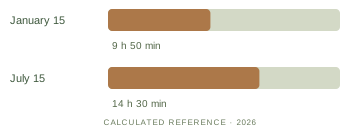
Can the July average high tell you what a thermometer read on one particular visit?
Try the comparison
Read January and July’s historical average highs.
Write a possible observation sentence with a blank for an actual thermometer reading.
Keep that blank unknown if no measurement was made.
Suggested pages: January and July. If you have no observations, leave those parts unknown; the reference values can still be compared.
Your evidence & uncertainty
READ AFTER YOU TRYNo. A monthly average summarizes many days. It does not establish a reading for your visit. The plotted high–low span is two averages, not the full range of possible weather.
BCC · Season NotebookComparison 4 / 6
04 · Make a fair repeat · Two visits
Follow one plant, not a calendar
What must stay consistent before you describe a change in a plant?
Try the comparison
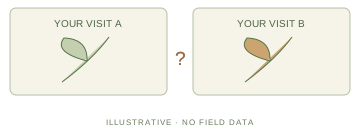
Use two of your own dated notes or two blank monthly sheets.
Check subject, broad habitat, viewpoint and viewing effort before comparing visible stages.
List changed conditions separately. If you cannot recognize the subject, keep the comparison uncertain.
Suggested pages: April and May. If you have no observations, leave those parts unknown; the reference values can still be compared.
Your evidence & uncertainty
READ AFTER YOU TRYA different stage on a different plant does not show that one plant changed. These months are suggested notebook pages, not a prediction of bud break, flowers or fruit. An empty notebook is a valid starting point.
BCC · Season NotebookComparison 5 / 6
05 · A seasonal reference · 8 minutes
Color is evidence, not a clock
How could two drawings of leaf color differ without proving a particular date of peak color?
Try the comparison
Compare two of your own notes, if available. Label the illumination in each.
Separate the color you saw from the identity you inferred.
Compare your wording with the NPS general account of gold autumn aspen leaves.
Suggested pages: September and October. If you have no observations, leave those parts unknown; the reference values can still be compared.
Your evidence & uncertainty
READ AFTER YOU TRYThe NPS description is a broad species pattern. It neither identifies your subject nor fixes peak color to a date. Light, different subjects and incomplete visits limit a comparison.
BCC · Season NotebookComparison 6 / 6
06 · Compare the limits · 5 minutes
Make room for “unknown”
Which statement supports the strongest conclusion: not checked, not seen, or known absent?
Try the comparison
Compare these teaching examples: “I did not look for buds” and “I looked at one visible branch and saw no buds.”
Identify what the second sentence adds: subject and viewing effort.
Write a third sentence about what neither statement can establish for the whole park.
Suggested pages: November and February. If you have no observations, leave those parts unknown; the reference values can still be compared.
Your evidence & uncertainty
READ AFTER YOU TRYNeither example proves park-wide absence. A recorded search is more informative than no search, but its conclusion is limited to what could be seen. Missing entries mean no notebook record, not no seasonal activity.