
Independent. Local. For public benefit.
A lasting care
for Bryce Canyon.
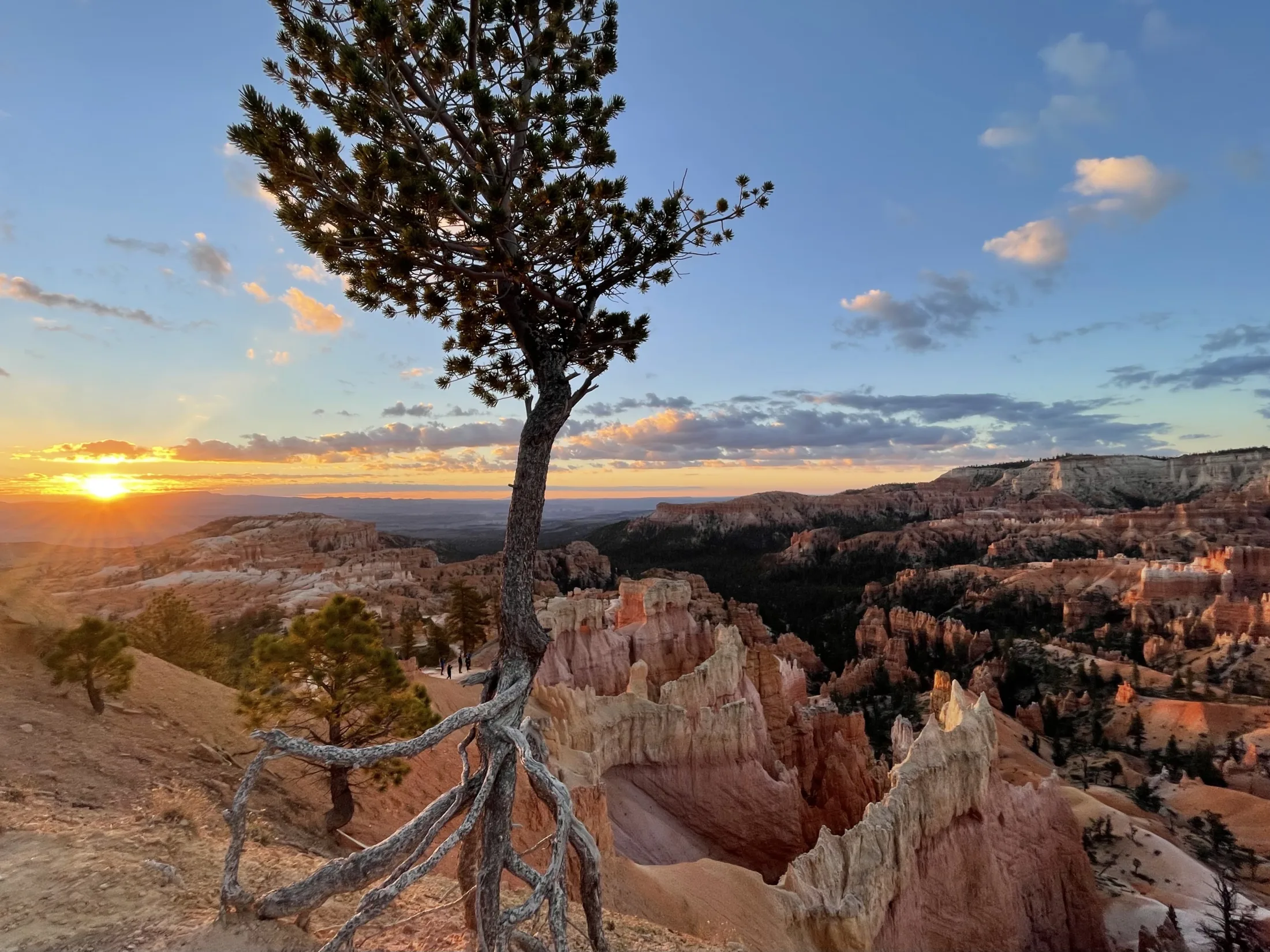
Bryce Canyon Conservancy connects useful education with a long-term commitment to the land, water and wildlife around Bryce.
Our purpose
Start with understanding.
Our immediate focus is free Bryce education and the development of the Bryce Canyon Conservancy app, a field guide to the landscape. The aim is to help people understand the landscape and care for it, with clear sources and honest limits.
Our charitable purpose is to protect the lands, wildlife connections and natural conditions surrounding Bryce Canyon National Park through voluntary conservation, sustained field monitoring and informed local stewardship. Land protection, field work and sign improvements are at planning stages; Our work explains what is ready and what comes next.
The founder
A local founder, a practical contribution.
Chase Kaczmarek is a software developer and entrepreneur who lives in the area. He brings his technical background to the educational tools and intends to do much of the fieldwork himself. He serves as the trust’s sole unpaid trustee.
Organization
Bryce Canyon Conservancy Trust was established on October 11, 2026 as an irrevocable Utah charitable trust. Chase is its sole unpaid trustee.
Dissolution of the earlier Utah nonprofit corporation, incorporated September 29, 2026, was submitted October 13 and was pending agency review at the last check. A trust DBA is not yet registered. Assets, content rights and service accounts retain their individual ownership arrangements; no universal transfer is claimed.
BCC is independent of the National Park Service and Bryce Canyon Association.
Accountability
See how we work.
Read the trust’s existing governance rules and proposed commitments for transparent spending, outside review and lasting public use of grant-funded work. The page distinguishes what is in effect from what awaits adoption.
Progress reports and financial summaries will appear there when available.
Our accountability commitments ↗Questions, corrections & ideas
Let’s talk.
Questions about the guides, a correction, or an idea for caring for Bryce?
Landowners: working with the conservancy.
Your information
Privacy, in plain language.
Website privacy
This website has no analytics, advertising scripts or visitor accounts. Its only collection form is the email sign-up described below. Camera views load directly from UDOT, NPS and Ruby’s Inn’s stream provider, which receive the network information needed to deliver their media. NWS weather and UDOT road reports load from this website through a shared cache. Fonts and educational assets load from this website. The hosting provider may process network addresses and request logs to deliver and protect the site.
Email opens in your email app. Messages are handled through Google Workspace and used to respond to your inquiry. Landowner conversations stay private. Please avoid sending sensitive wildlife locations or private personal information in an initial message. Contact hello@brycecanyon.co with questions about information you have shared.
The email sign-up keeps only the address you enter, in Bryce Canyon Conservancy’s own account with its email provider, Resend. The address is used only for occasional announcements, such as the app launch, and is not sold or shared with other organizations. Each announcement includes an unsubscribe link, or email hello@brycecanyon.co to be removed. Network addresses are used briefly to limit repeated sign-ups and are not stored with your email address.
The app’s development map and location behavior are described on the app page; website privacy is not an app release disclosure.
Accessibility
A field guide people can use.
The site provides keyboard controls, text alternatives to maps, reduced-motion behavior and source links when a feed cannot load. Tell us about a barrier through hello@brycecanyon.co, including the page and the device or assistive technology involved.
Camera timestamps, model sources and methods belong beside their exhibits. Evidence and credits explain how to distinguish measurements from reconstructions and examples.