14 trees & plants · 8 mammals · 6 birds Primary sources checked October 2, 2026
Illustration A community portrait, drawn to teach. Not a map, photograph or record of a sighting.
Notice more. Disturb less. Start with two visible traits, leave uncertain identifications uncertain, and keep your distance. These are published park records, not a promise of what you’ll see today.
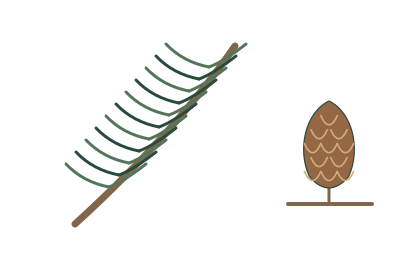
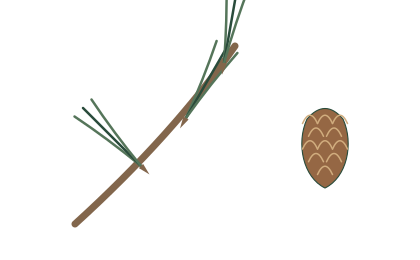
Dry lower-elevation woodland, often with junipers; uncommon above the rim. Bryce habitatSource: Colorado Pinyon
Seasonal note
NPS describes cones beginning to open in September at Bryce. This is a general seasonal account, not this year’s crop report. Bryce seasonal accountSource: Colorado Pinyon
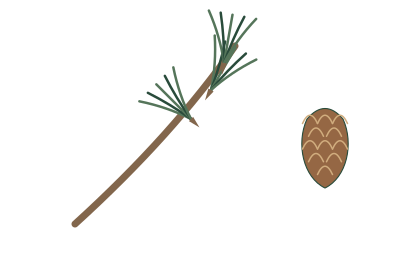
Keep the uncertainty: Compare needle bundles with juniper’s scales. Do not infer a species from the word “pine” or from a rounded crown.
Park record: Colorado Pinyon. Names: Colorado Pinyon. Checked 2026-10-02. This is a published park record, not a sighting by BCC.
05 / ConiferIllustrationTrait drawing · not to scale
Drawing unavailable. The identification notes describe its traits.
Occurs below the rim and at middle elevations. NPS notes cooler, shadier sites than nearby Utah juniper. Bryce habitatSource: Rocky Mountain Juniper
Seasonal note
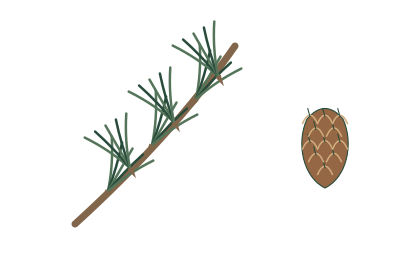
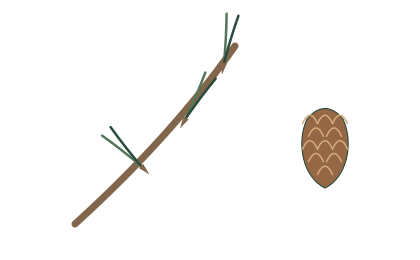
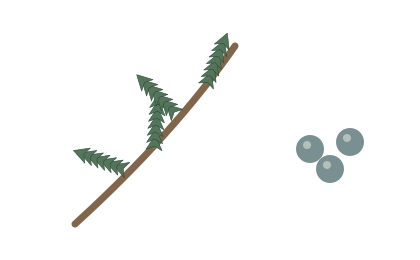
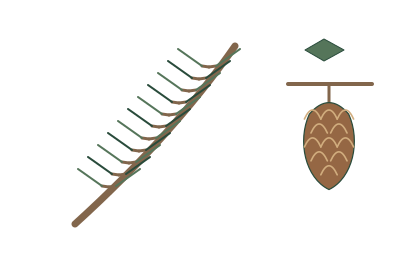
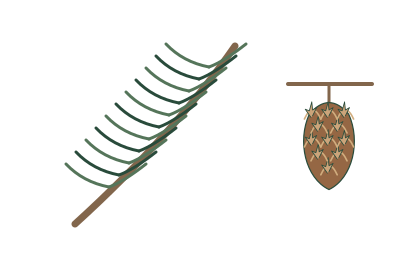
Use the branch and cone drawings as a reference in any season. No cone crop or viewing date is predicted. editorial prompt
Keep the uncertainty: Bryce has several junipers. Scale leaves and blue cones identify a group, not this species alone. The NPS page uses overlapping elevation descriptions.
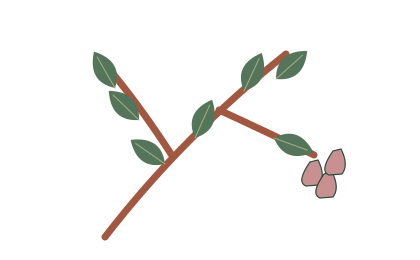
An understory shrub of Bryce’s ponderosa forest. Bryce habitatSource: Greenleaf Manzanita
Seasonal note
NPS lists March–July as a broad flowering window for the Bryce region. Elevation and the year affect what is visible. Bryce region flowering windowSource: Greenleaf Manzanita
Keep the uncertainty: Observe leaves, stems and flowers together. No identification here supports collecting or tasting.
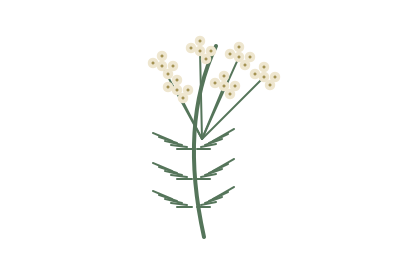
Finely divided leaves have a feathery appearance. Yarrow
Flowers
Many small white flower heads form a flat or gently domed cluster. Yarrow
Habitat
Grasslands and open forest are typical species habitat; NPS includes yarrow among Bryce wildflowers. regional habitat; park presence separateSource: Yarrow, Wildflowers
Seasonal note
NPS lists April–October for flowering in the Bryce region; this broad window is not a bloom forecast. Bryce region flowering windowSource: Yarrow
Keep the uncertainty: Several unrelated plants carry white flower clusters. A cluster alone is not enough to identify yarrow.
Park record: Yarrow. Names: Yarrow. Checked 2026-10-02. This is a published park record, not a sighting by BCC.
Long, grasslike leaves reach toward the height of the flowers.
Moist pockets
Identification & sources
Leaves
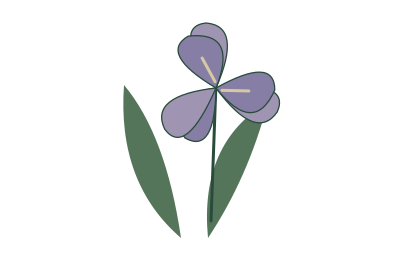
Long, grasslike leaves reach toward the height of the flowers. Western Iris
Flowers
Purple-veined flowers have upright inner parts and drooping outer segments. Western Iris
Habitat
Moist soils and wet meadow habitat; the park’s wildflower guide documents this species. regional habitat; park presence separateSource: Western Iris, Wildflowers
Seasonal note
NPS lists May–July for flowering in the Bryce region. Moist habitat is easily damaged by foot traffic. Bryce region flowering windowSource: Western Iris
Keep the uncertainty: Grasslike leaves alone are inconclusive. Stay on established access; a flower is not a reason to cross a wet meadow.
Park record: Western Iris. Names: Western Iris. Checked 2026-10-02. This is a published park record, not a sighting by BCC.
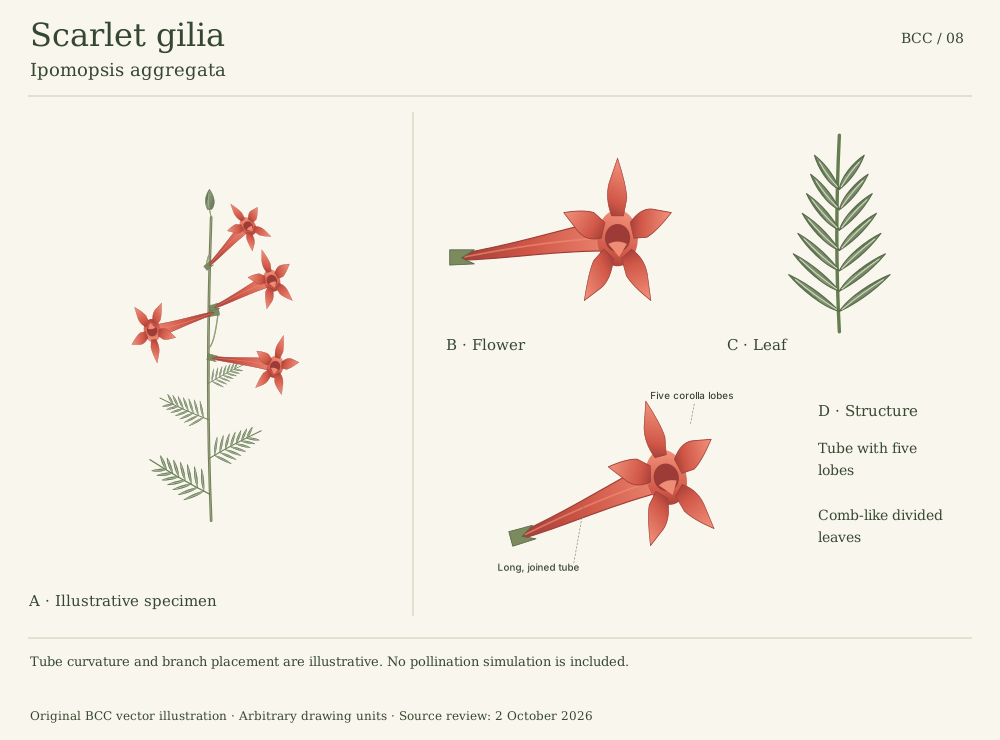
Long flower tubes end in five spreading lobes; flowers may be red, pink or white.
Rocky breaks · Open meadows
Identification & sources
Flowers
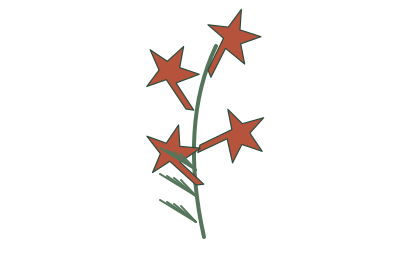
Long flower tubes end in five spreading lobes; flowers may be red, pink or white. Scarlet Gilia
Leaves
Divided, comb-like leaves contrast with the narrow flower tubes. Scarlet Gilia
Habitat
A species of varied habitats, from rocky canyon country to mountain meadows. It is included in the Bryce wildflower guide. regional habitat; park presence separateSource: Scarlet Gilia, Wildflowers
Seasonal note
NPS lists May–July for flowering in the Bryce region. Red flowers are associated with hummingbird pollination. Bryce region window; species pollination patternSource: Scarlet Gilia
Keep the uncertainty: Related forms have been classified differently. This guide uses the species name in the NPS article and makes no subspecies determination.
Park record: Scarlet Gilia. Names: Scarlet Gilia. Checked 2026-10-02. This is a published park record, not a sighting by BCC.
Males grow antlers in spring; velvet is lost in autumn. These are general life-cycle traits, not a way to determine age. species seasonal patternSource: Mule Deer
Keep the uncertainty: Antlers are absent on some animals and at some times. Do not use antler points to assign age.
Name note: Species-level name used. The individual NPS article also names the subspecies O. h. hemionus. Mammals
Park record: Mule Deer. Names: Mammals. Checked 2026-10-02. This is a published park record, not a sighting by BCC.
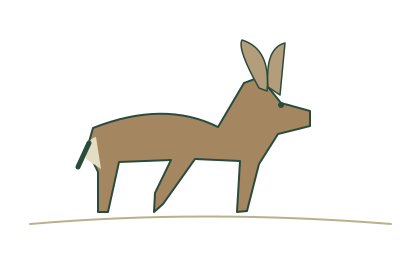
16 / MammalIllustrationTrait drawing · not to scale
Drawing unavailable. The identification notes describe its traits.
Tan upperparts contrast with white areas on the face, belly and rump.
Open meadows
Identification & sources
Coat
Tan upperparts contrast with white areas on the face, belly and rump. Pronghorn
Horns
Dark horns curve backward; horn size differs between individuals. Pronghorn
Track
IllustrationForeprint length 3¼ in (an example). A general reference, not a Bryce measurement. More tracks
Habitat
Open grassland and fields are the broad habitat association described by the park. Bryce habitatSource: Pronghorn
Seasonal note
NPS describes late spring through autumn as the more likely viewing period. It is not a guarantee for any visit. Bryce seasonal accountSource: Pronghorn
Keep the uncertainty: A pronghorn is neither a deer nor a true antelope. Use body markings as well as horns.
Park record: Pronghorn. Names: Pronghorn. Checked 2026-10-02. This is a published park record, not a sighting by BCC.
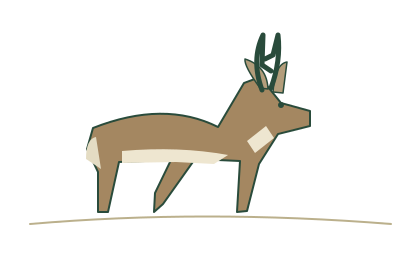
17 / MammalIllustrationTrait drawing · not to scale
Drawing unavailable. The identification notes describe its traits.
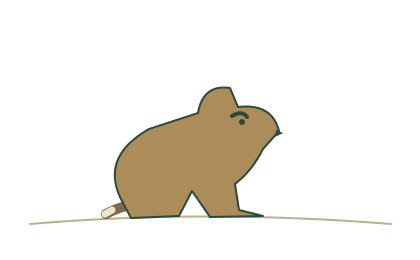
Short-grass meadows support burrowing colonies. This guide does not identify colony sites. Bryce habitatSource: Utah Prairie Dog
Seasonal note
The park describes winter hibernation and summer activity. An unseen animal is not evidence of an empty colony. Bryce seasonal accountSource: Utah Prairie Dog
Keep the uncertainty: Color alone is not reliable. Never approach a burrow for a better view or publish a precise colony location.
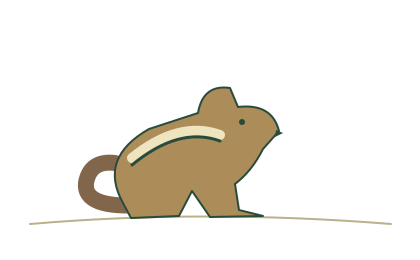
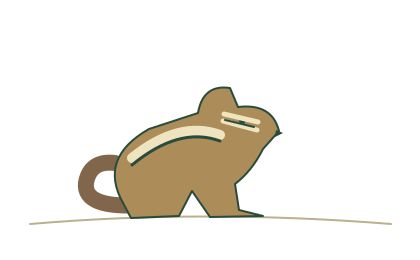
The park describes summer activity in plateau forests and open grassland. Bryce habitatSource: Golden-mantled Ground Squirrel
Seasonal note
This species hibernates. Summer activity in the park is a seasonal account, not a count or prediction. Bryce seasonal accountSource: Golden-mantled Ground Squirrel
Keep the uncertainty: Look at the face as well as the body stripes. Keep distance even if a squirrel approaches.
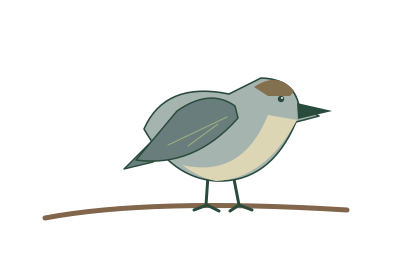
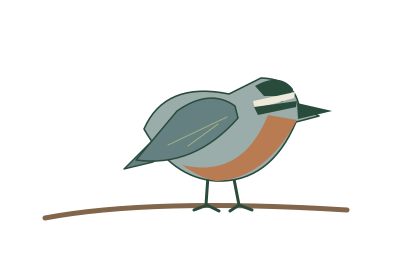
Mature ponderosa forest is a strong association; NPS describes it as a year-round Bryce resident. Bryce habitatSource: Nuthatches & Treecreepers, Birds
Seasonal note
Year-round residence does not mean every tree holds a bird. Look quietly without playing calls. Bryce seasonal accountSource: Birds
Keep the uncertainty: Other nuthatches occur here. Check the cap and face; movement alone cannot identify the species.
Rocky slopes, ridges and exposed cliff edges are characteristic habitat. Limber Pine
Five needles alone cannot separate it from bristlecone. Observe from the trail; never bend limbs or stand on roots.
Complete conifer reading reference · all 8 species
Use several traits together. These are simplified descriptions; diagnostic details vary with age and condition. The full records above include habitat, limits and source links.
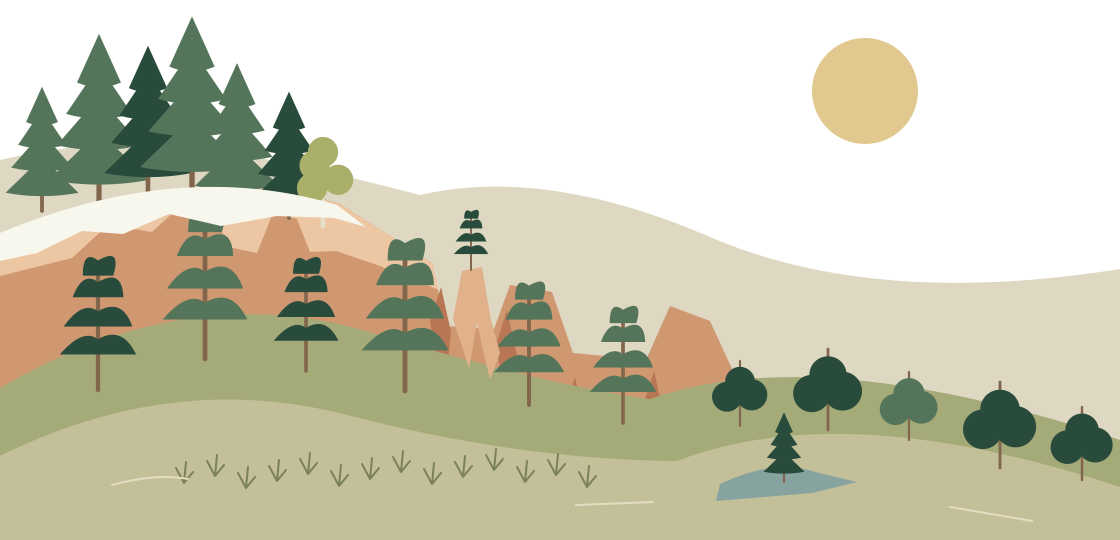
Elevation sets a broad pattern. Shade, exposed rock and small pockets of moisture complicate it.
Illustration Higher forest at left → lower woodland at right. A conceptual section, not a surveyed slope, habitat boundary or snowfall forecast. Meadows and moist pockets occur across elevations. Bryce Life Zones wayside, Plants
Middle elevations
Ponderosa forest
Ponderosa pine and manzanita are characteristic of the middle elevations. Shade and openings create different places to look. Source: Trees and Shrubs
Can you distinguish a pine’s needle bundle before you rely on its bark?
Autumn
Seeds, color & departure
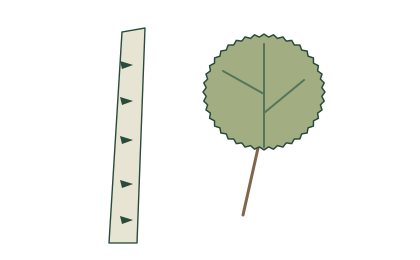
Aspen leaves change color. Pinyon cones begin opening in the park’s seasonal account, while violet-green swallows usually leave by October. Source: Quaking Aspen, Colorado Pinyon, Birds
A cone, a leaf and a departing bird tell different seasonal stories. Record uncertainty instead of assigning a peak date.
Read every habitat and season without the controls
How do small leaves and gaps between trees change the look of this woodland?
Ponderosa forest
Middle elevations
Ponderosa pine and manzanita are characteristic of the middle elevations. Shade and openings create different places to look. Source: Trees and Shrubs
Can you distinguish a pine’s needle bundle before you rely on its bark?
Mixed-conifer forest
Higher plateau
White fir, Douglas-fir, pines and pockets of aspen occur in the higher southern forests. Source: Birds, Trees and Shrubs
What changes when upright fir cones are compared with hanging Douglas-fir cones?
Rocky breaks & rim
Across the escarpment
The exposed breaks are often sparsely wooded. Rocky ridges support trees adapted to difficult growing sites. Source: Plants, Limber Pine
How does a tree’s setting differ from a shaded forest, even at a similar elevation?
Open meadows
Across elevations
Open meadows include dry grassy and sagebrush communities. Open ground is not necessarily wet ground. Source: Plants
Separate the habitat you can see from the animals you have actually observed.
Seeps & moist ground
Local moisture, not an elevation band
Seeps, springs and moist soils support plants with different needs from the surrounding dry landscape. Source: Plants, Blue Spruce, Western Iris
Look from established access. Which traits suggest that moisture matters here?
Four seasonal lenses
Spring arrives unevenly
Spring
Snow can linger longer in the higher southern forest. The park’s bird guide describes spring returns from lower elevations before all high ground is snow-free. Source: Birds
Compare elevation with local shade and moisture. A calendar month is not a bloom or access forecast.
Look for activity, leave space
Summer
NPS describes summer ground-squirrel activity and swallows over the rim. Flowering windows in this guide are broad regional references. Source: Golden-mantled Ground Squirrel, Birds
Watch from one place without approaching. Notice the difference between a habitat association and an actual sighting.
Seeds, color & departure
Autumn
Aspen leaves change color. Pinyon cones begin opening in the park’s seasonal account, while violet-green swallows usually leave by October. Source: Quaking Aspen, Colorado Pinyon, Birds
A cone, a leaf and a departing bird tell different seasonal stories. Record uncertainty instead of assigning a peak date.
Absence is not a count
Winter
Utah prairie dogs hibernate; pygmy nuthatches are year-round residents of the ponderosa forest. An animal out of sight is not proof that the habitat is empty. Source: Utah Prairie Dog, Birds
Study branch structure and compare the guide’s drawings. Check current NPS access and weather before a visit.
These lenses are teaching prompts, not climate measurements, migration tracking or current blooming reports. No numerical elevation boundary is assigned to a species.
Birds, cones, flowers and more
Seven closer looks at the living park, from the birds on the park’s lists to the age of a bristlecone pine. Each keeps its records and limits beside it, and places stay at the level of broad habitats.
Birds of Bryce
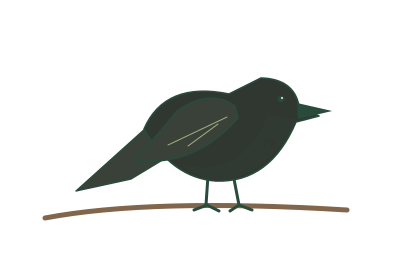
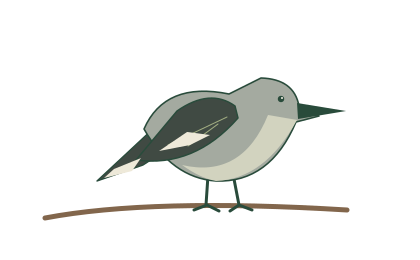
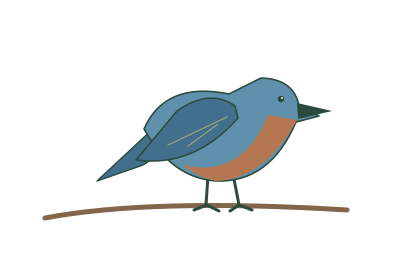
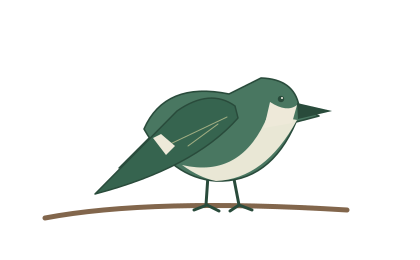
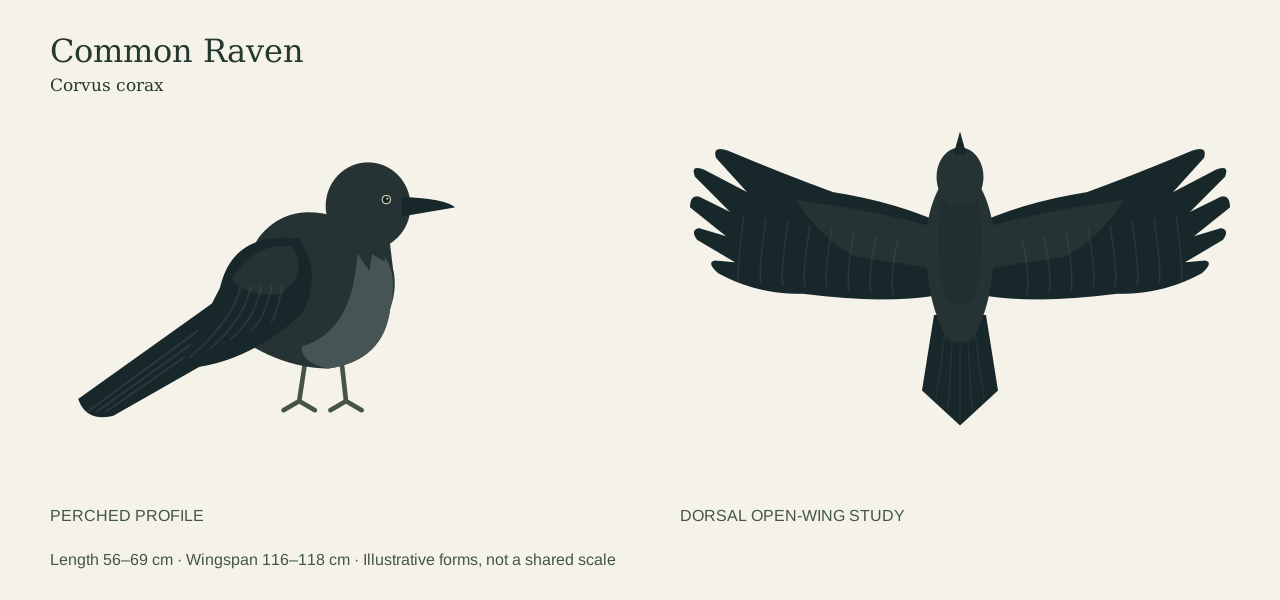
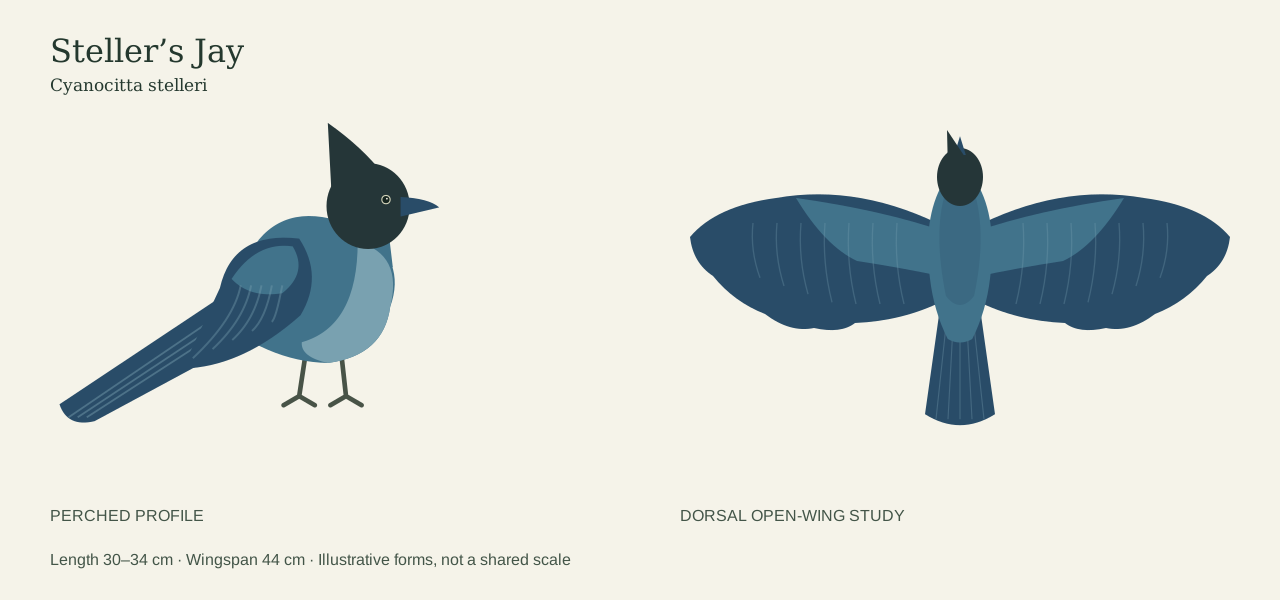
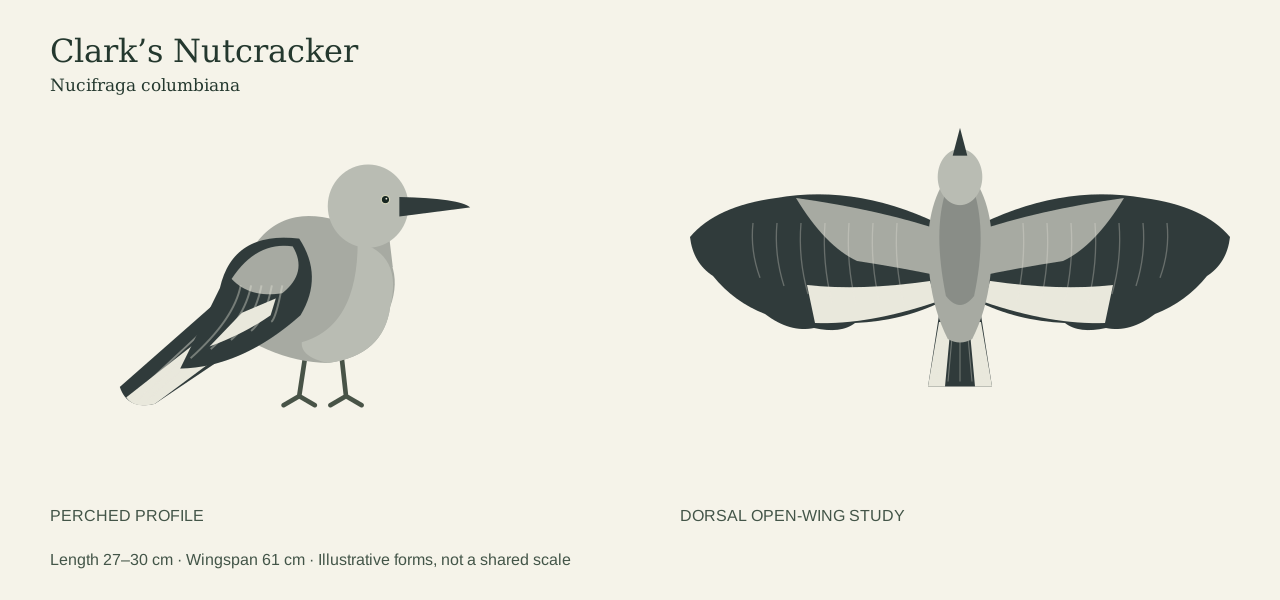
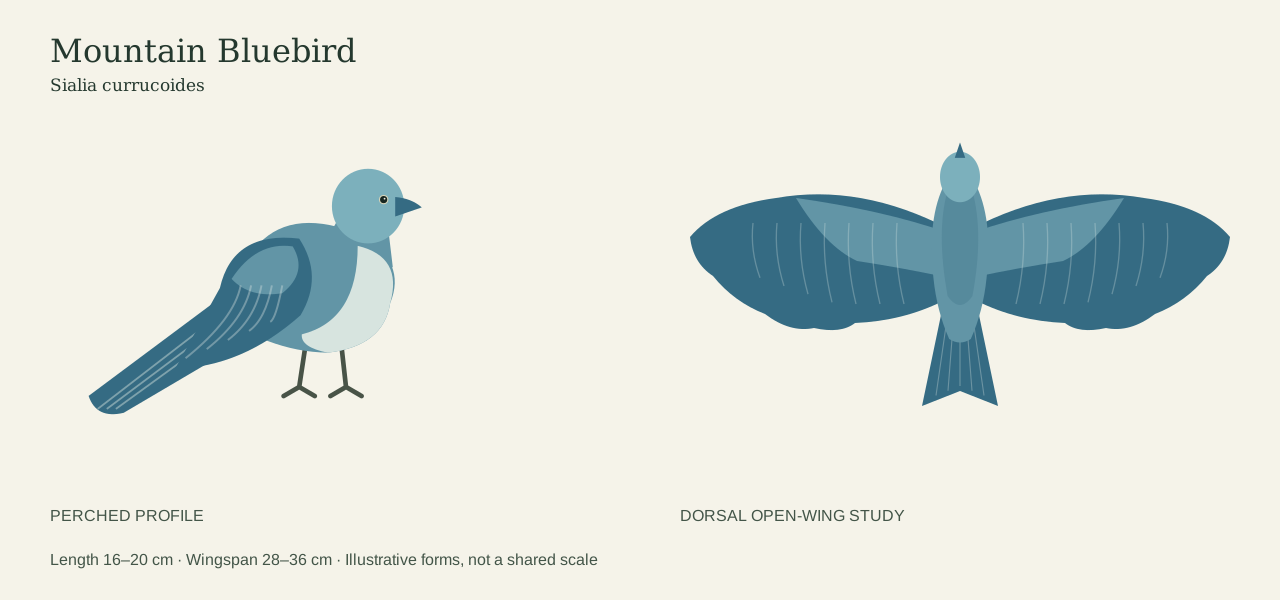
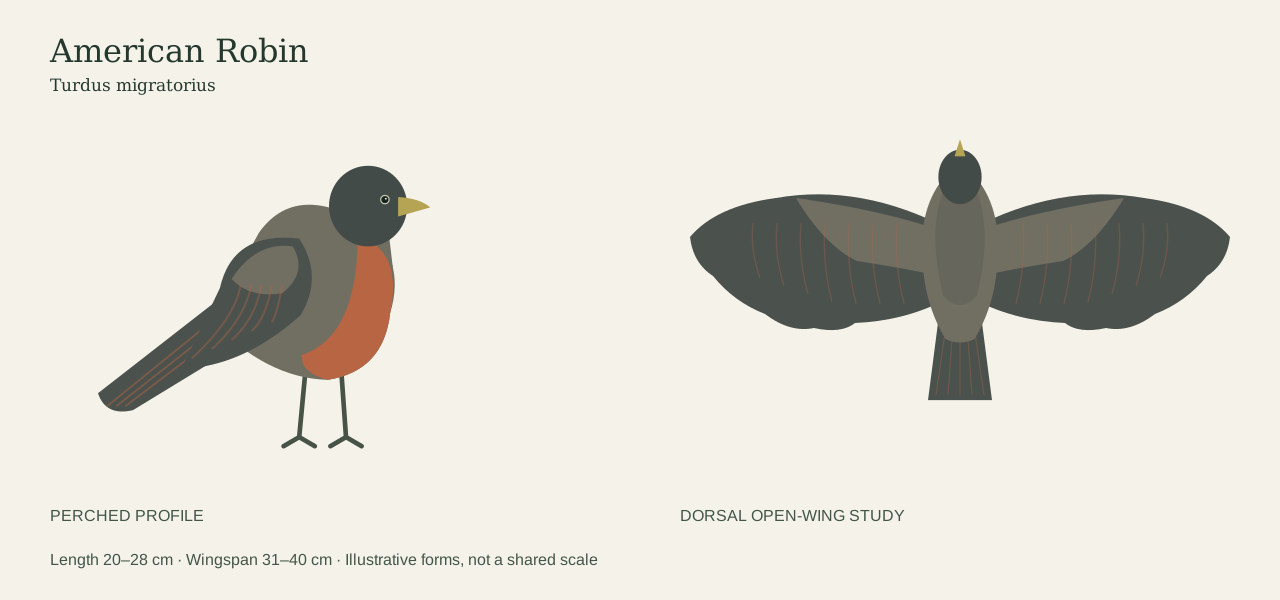
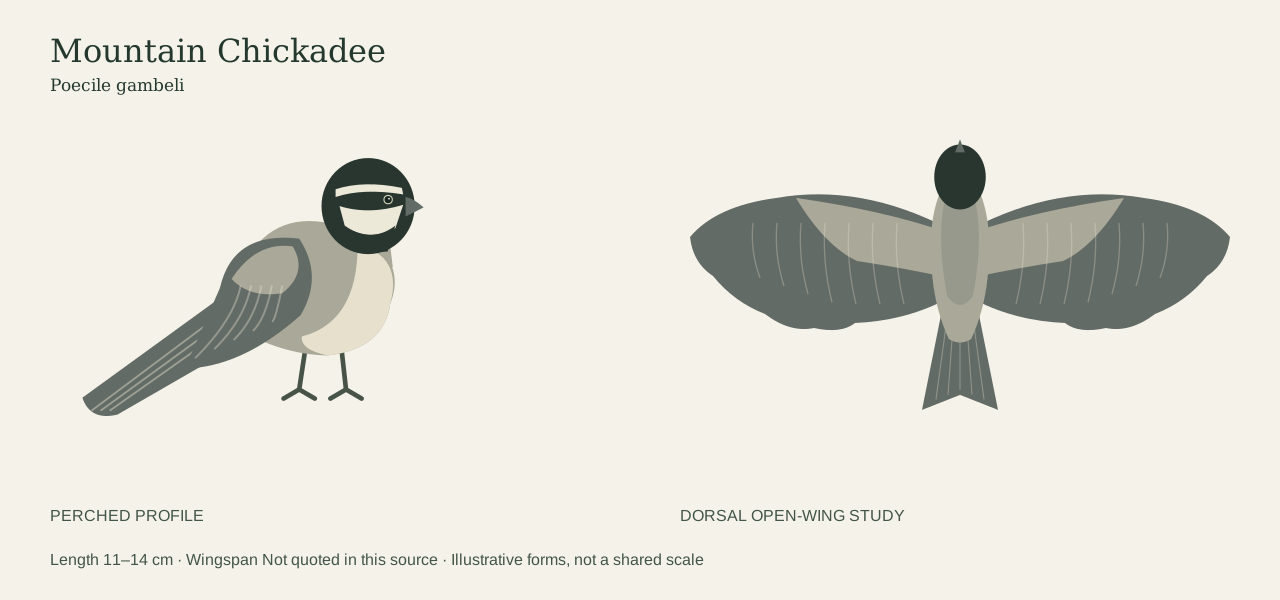
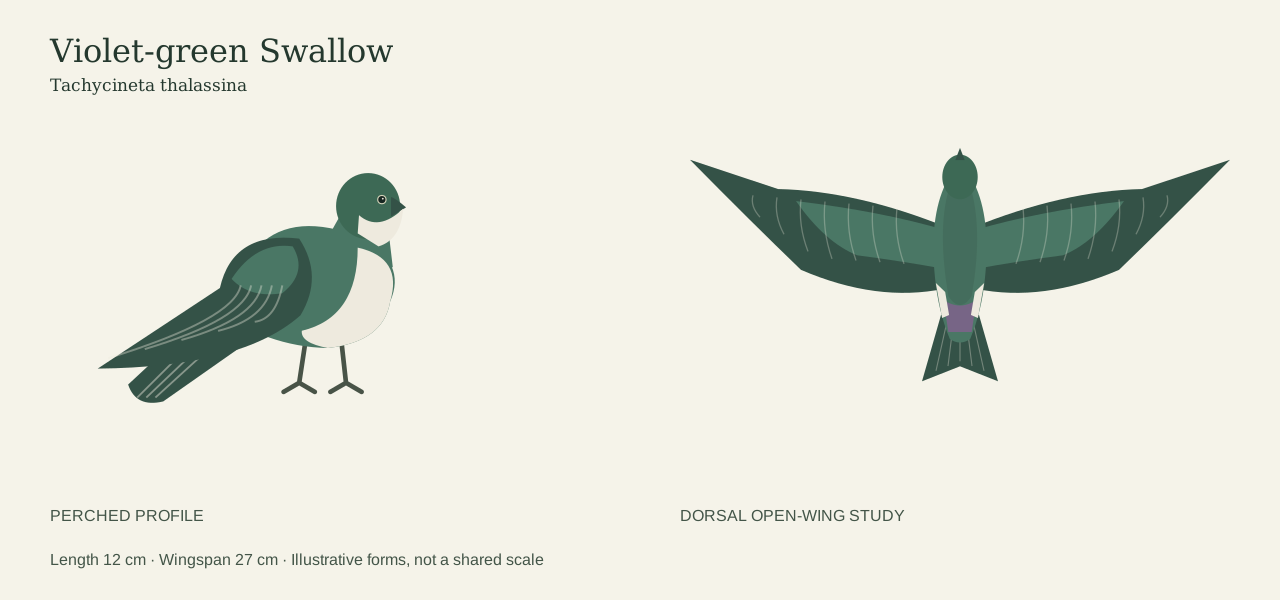
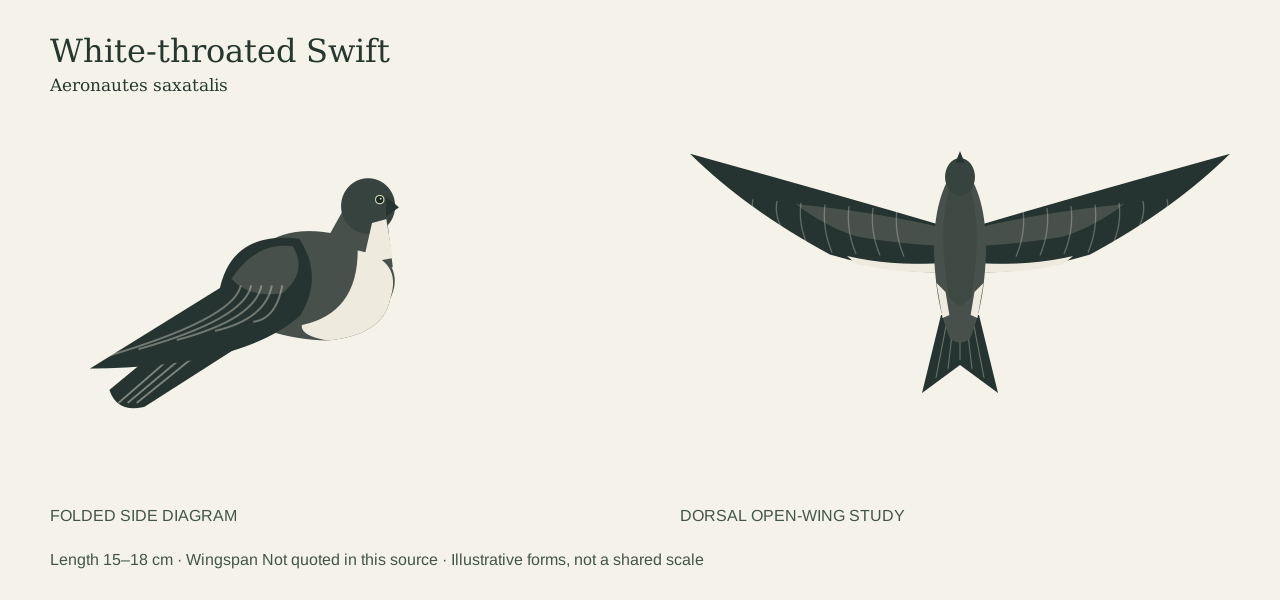
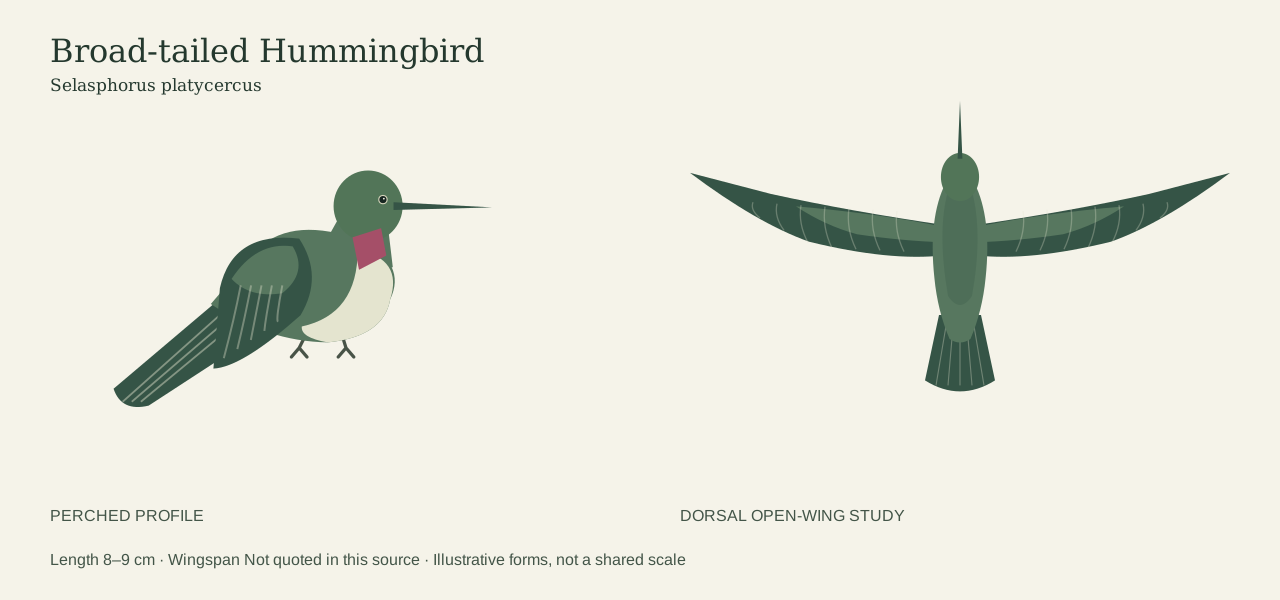
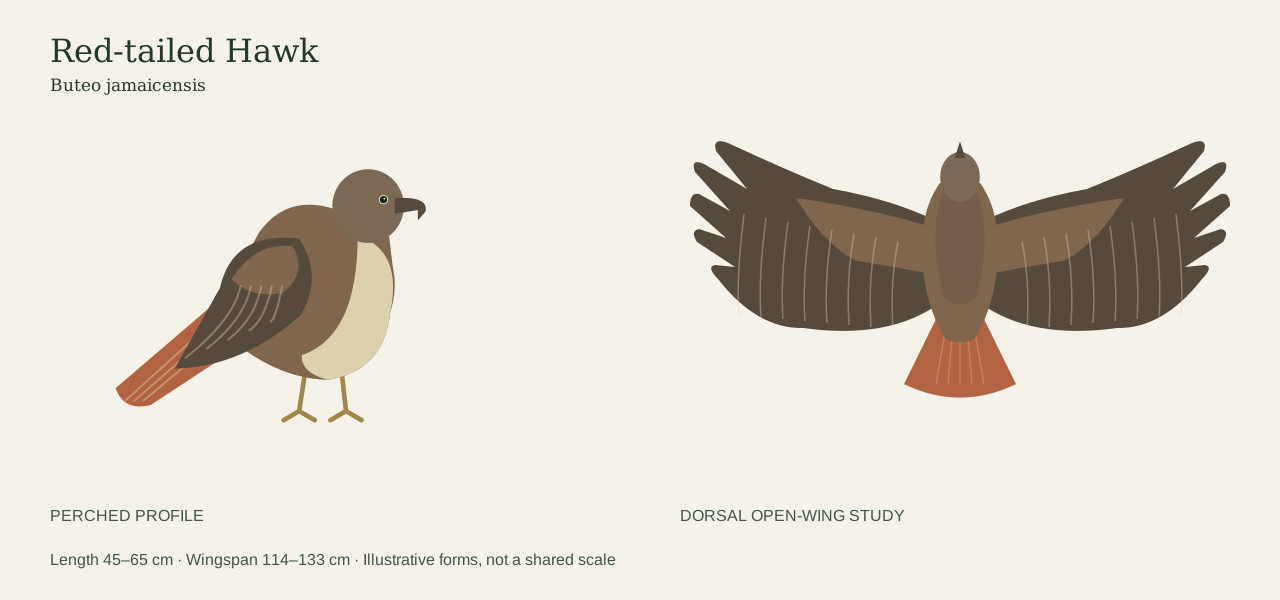
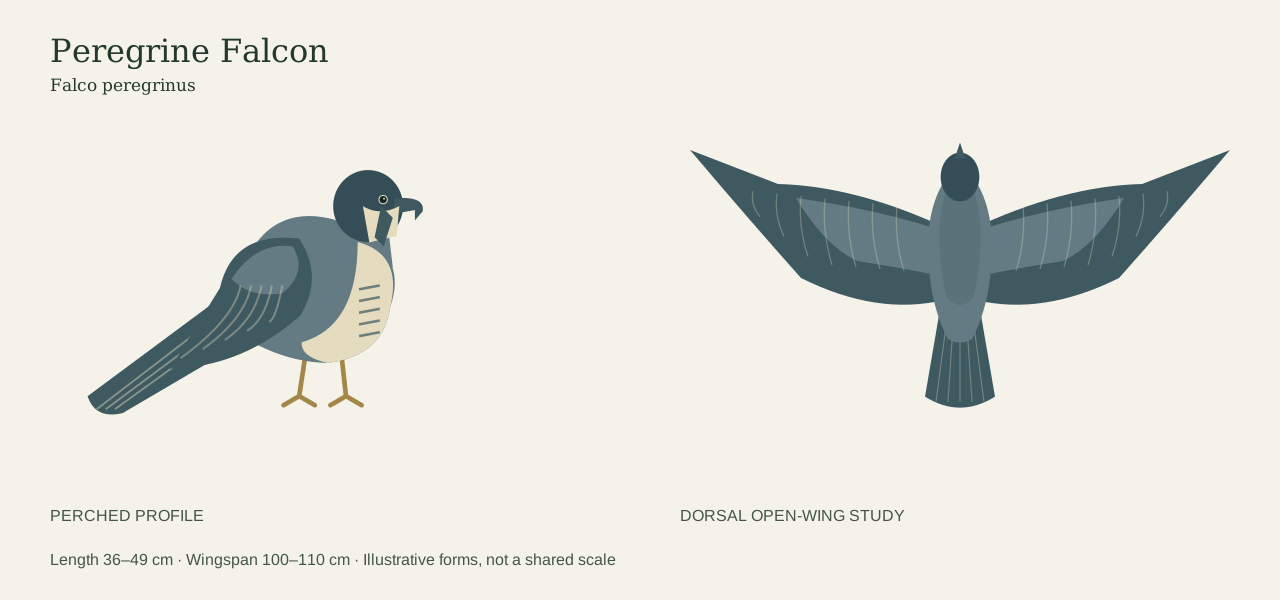
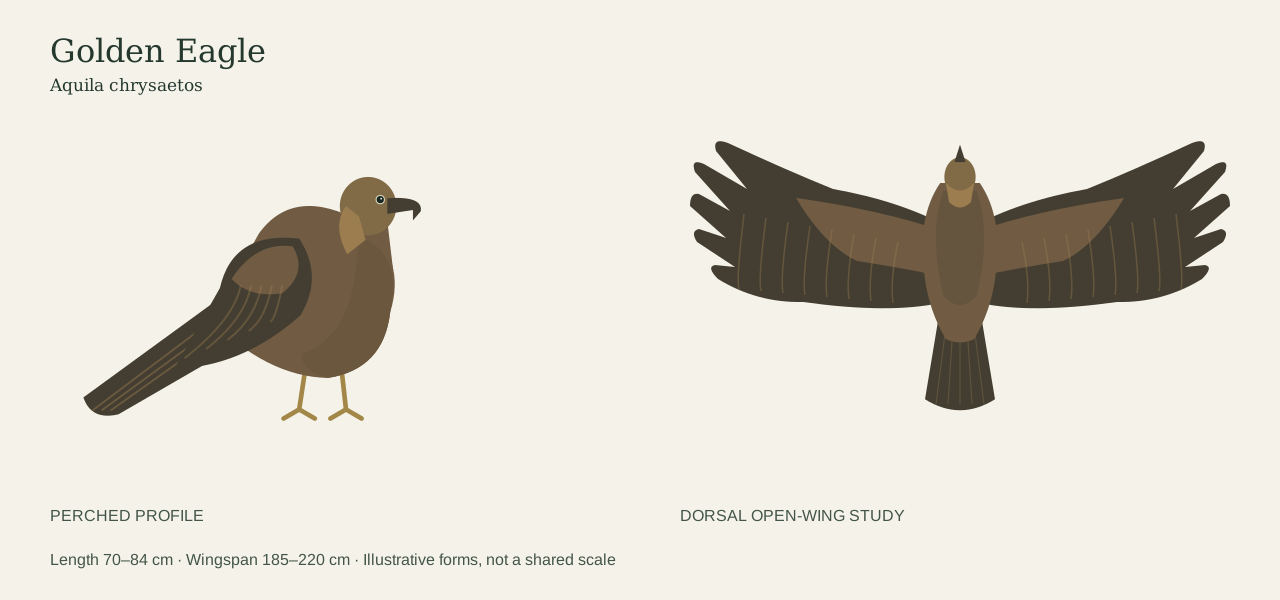
Twelve birds from the National Park Service’s Bryce bird pages, from the common raven to the broad-tailed hummingbird, each drawn perched and with wings open. Three of them have full entries in this guide.
Shape is a useful first clue: a raven’s wedge-shaped tail, a swift’s narrow, curved wing. Sizes are published adult references, and the drawings are not to a shared scale.
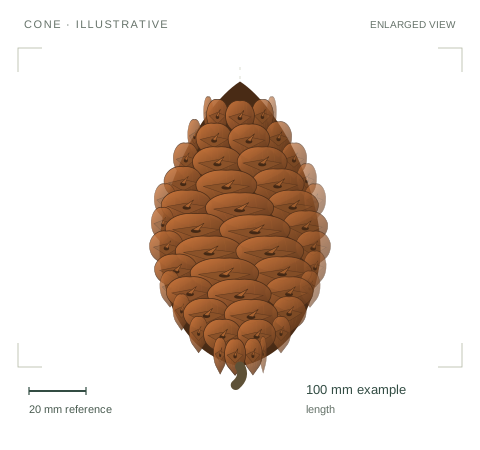
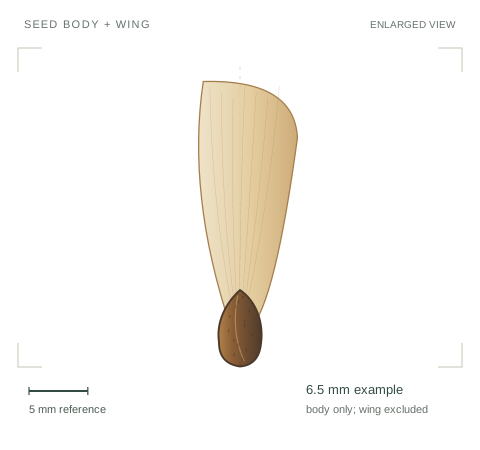
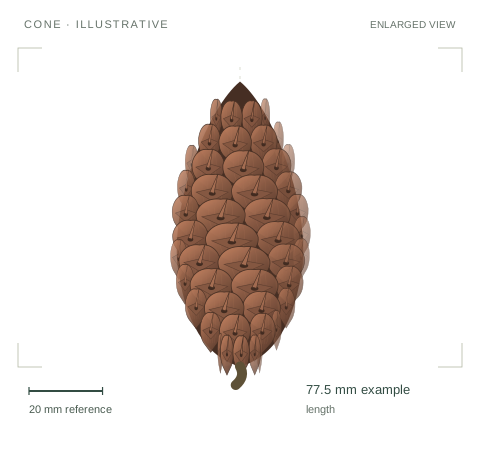
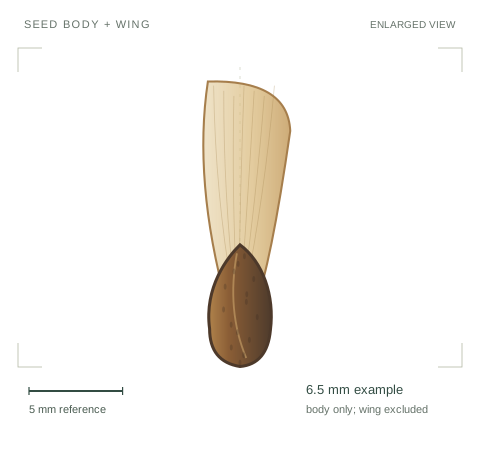
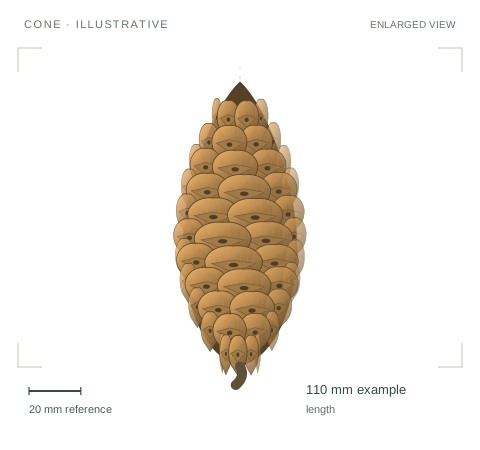
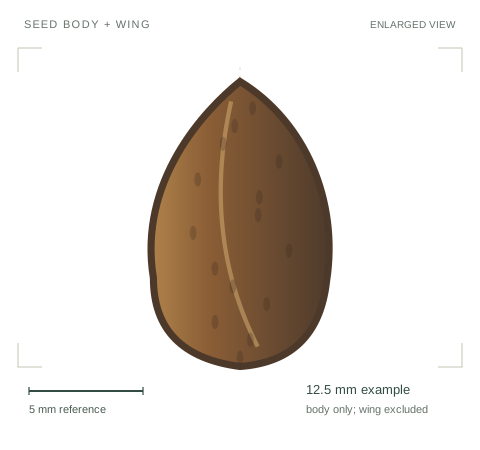
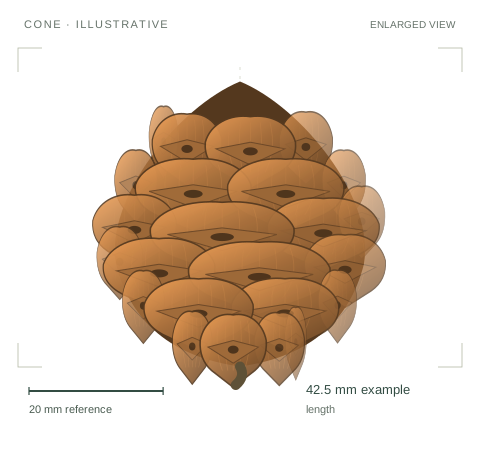
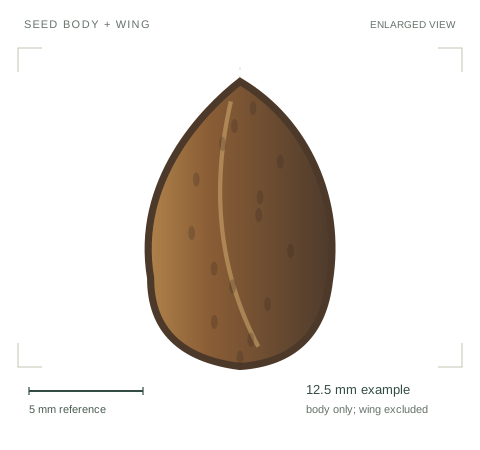
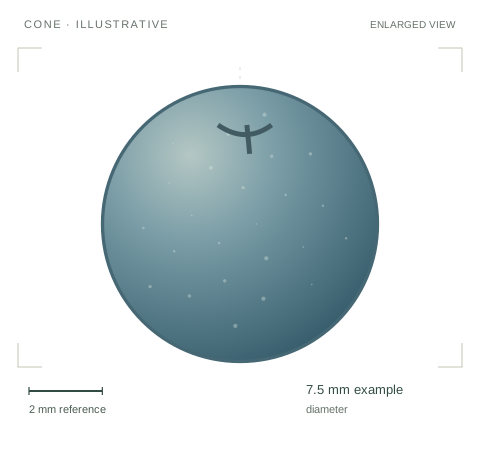
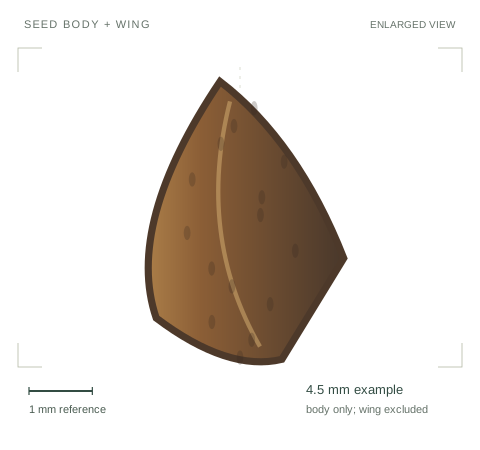
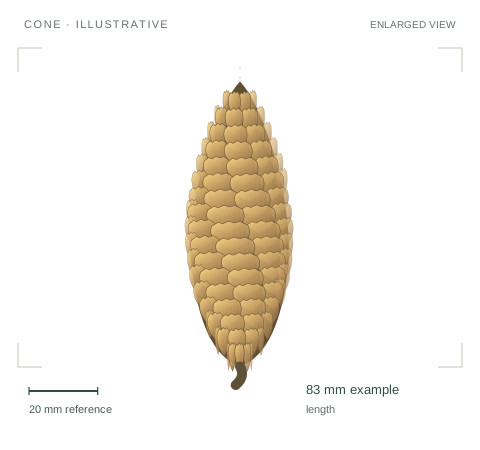
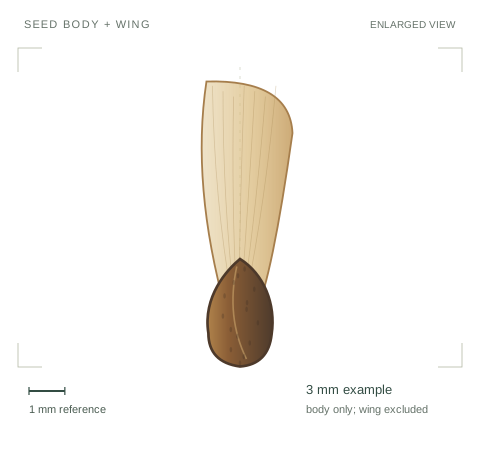
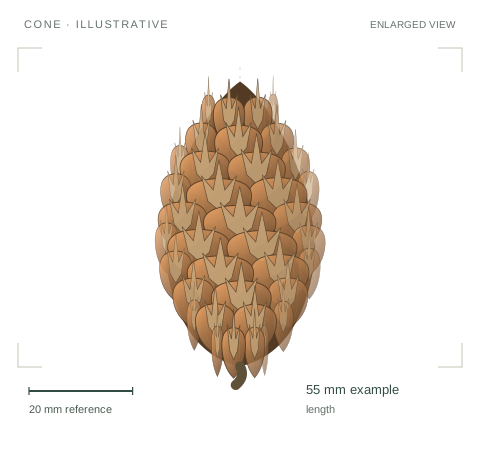
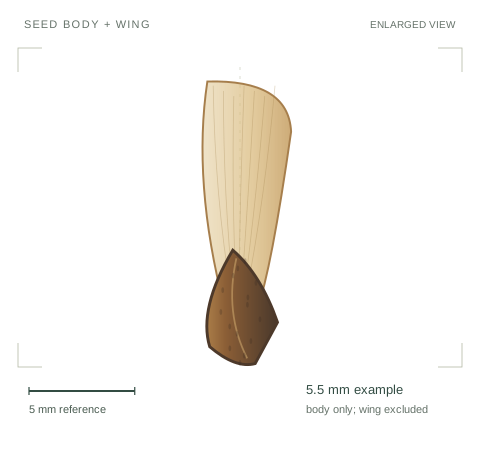
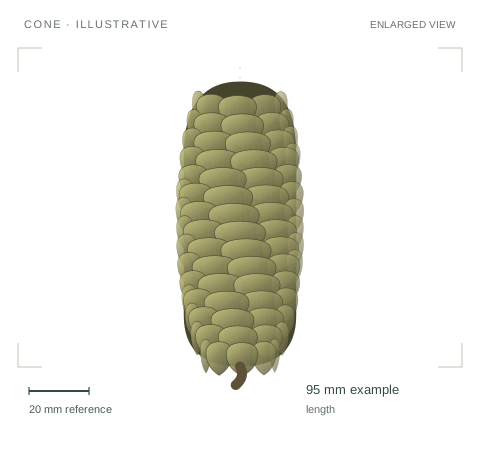
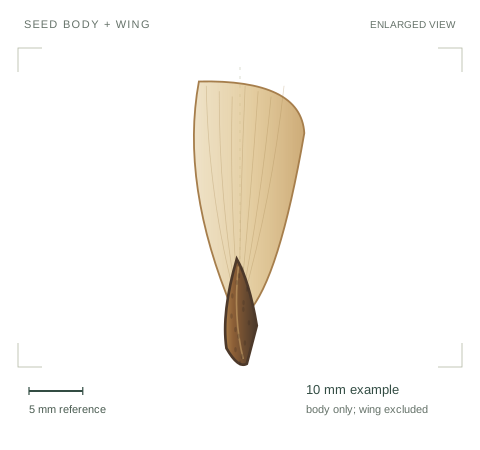
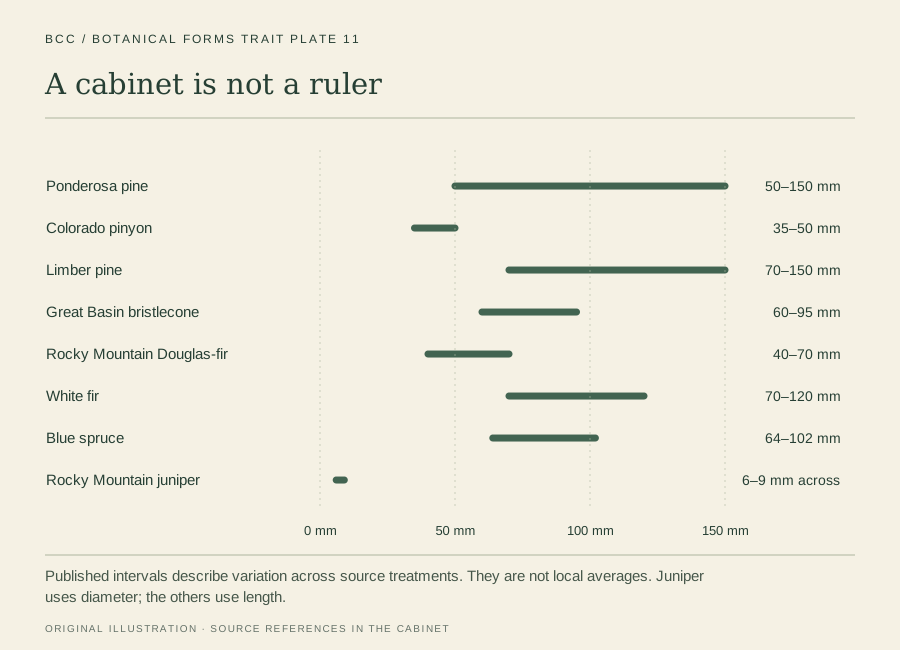
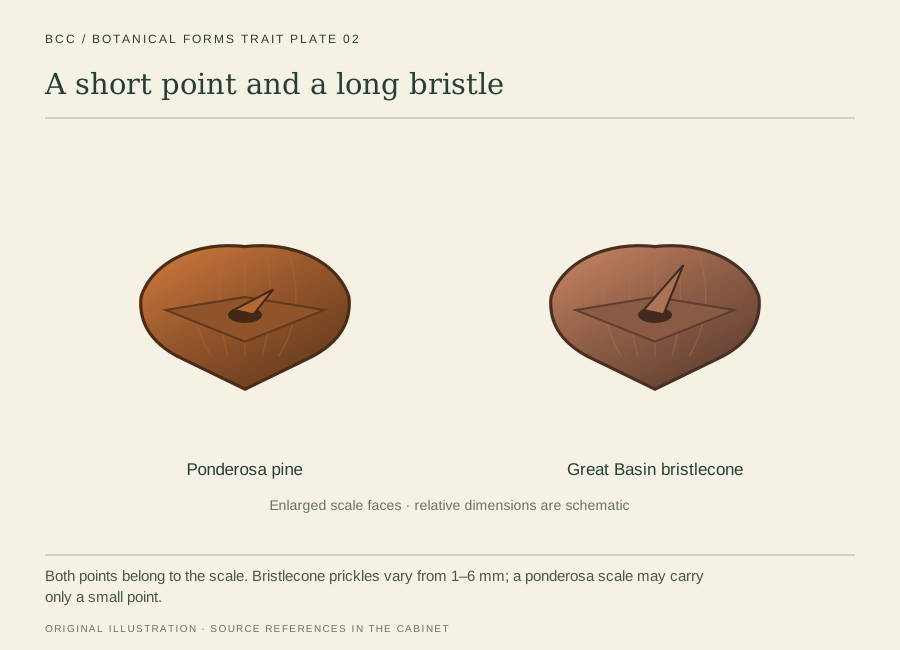
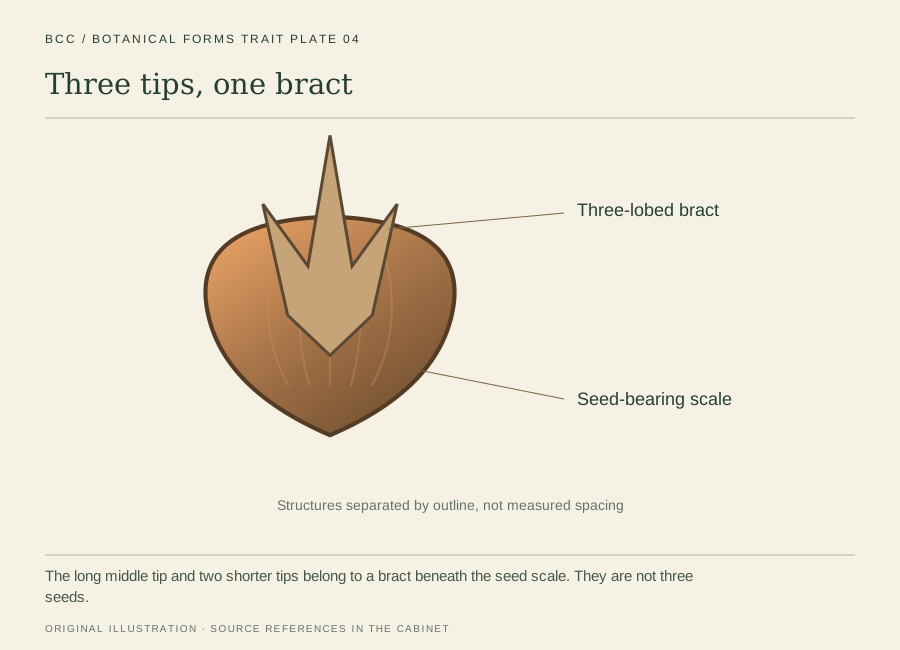
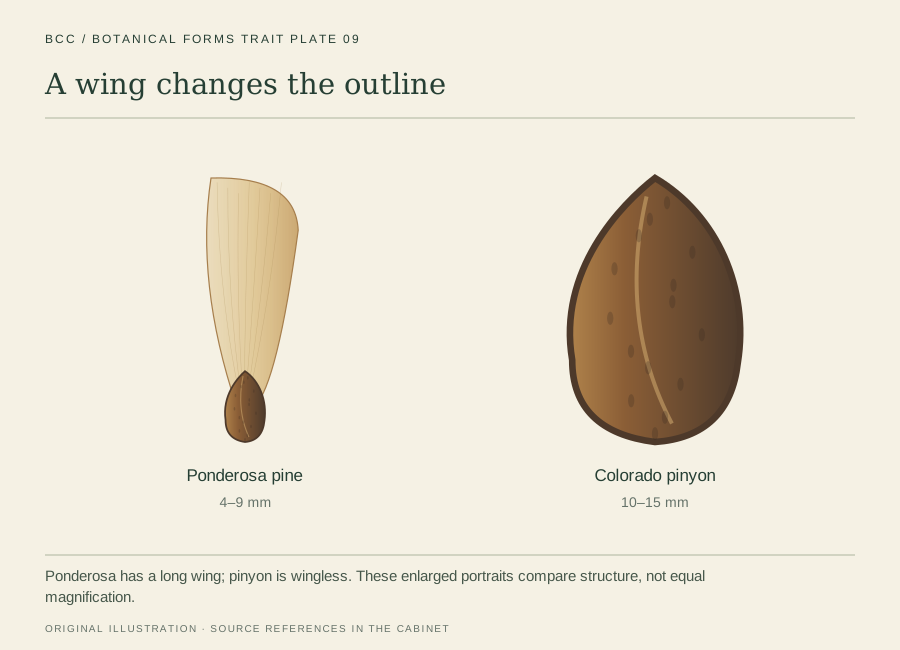
The guide’s eight conifers, by cone and seed. Pine cones carry thick woody scales, and a bristlecone’s scales end in a slender prickle. Douglas-fir cones hang, with a three-pointed bract beneath each scale; true fir cones stand upright and shed their scales one by one; and the juniper’s cone is fused and berry-like.
Sizes are species-wide ranges from botanical references, not measurements of Bryce trees. Each conifer’s entry above carries its own cone and seed drawing under “Identification & sources”.
Cone sizes, eight conifers
A short point and a long bristle
Three tips, one bract
A wing changes the outline
IllustrationFour plates on cone and seed structure. Drawings by Bryce Canyon Conservancy from Flora of North America and USDA Forest Service accounts; sizes are species-wide ranges.
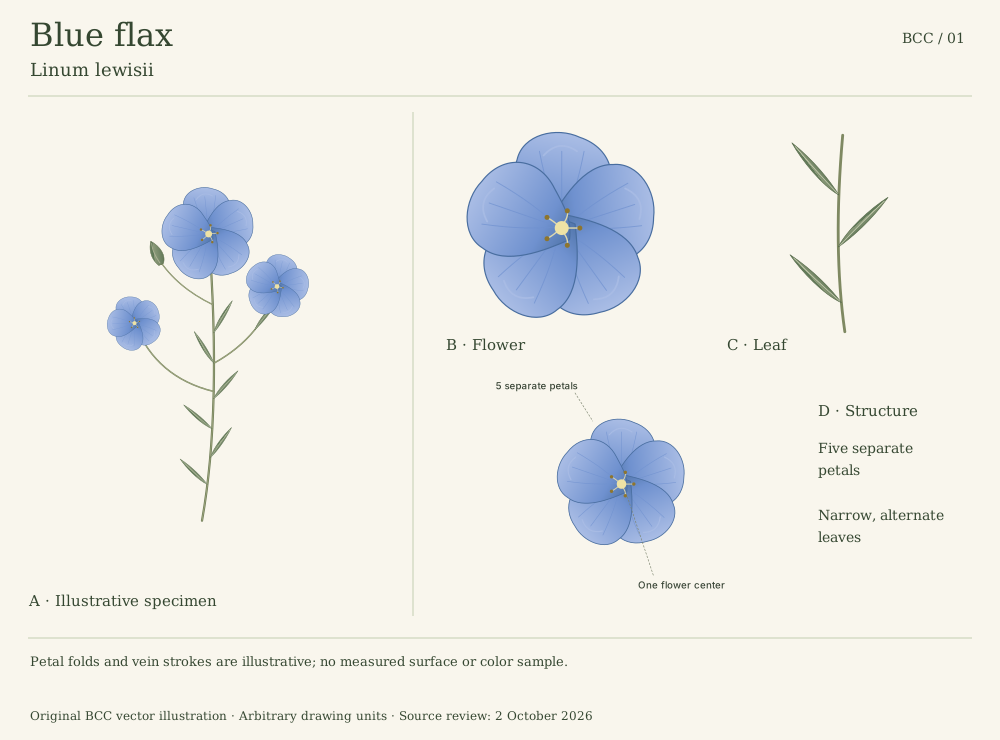
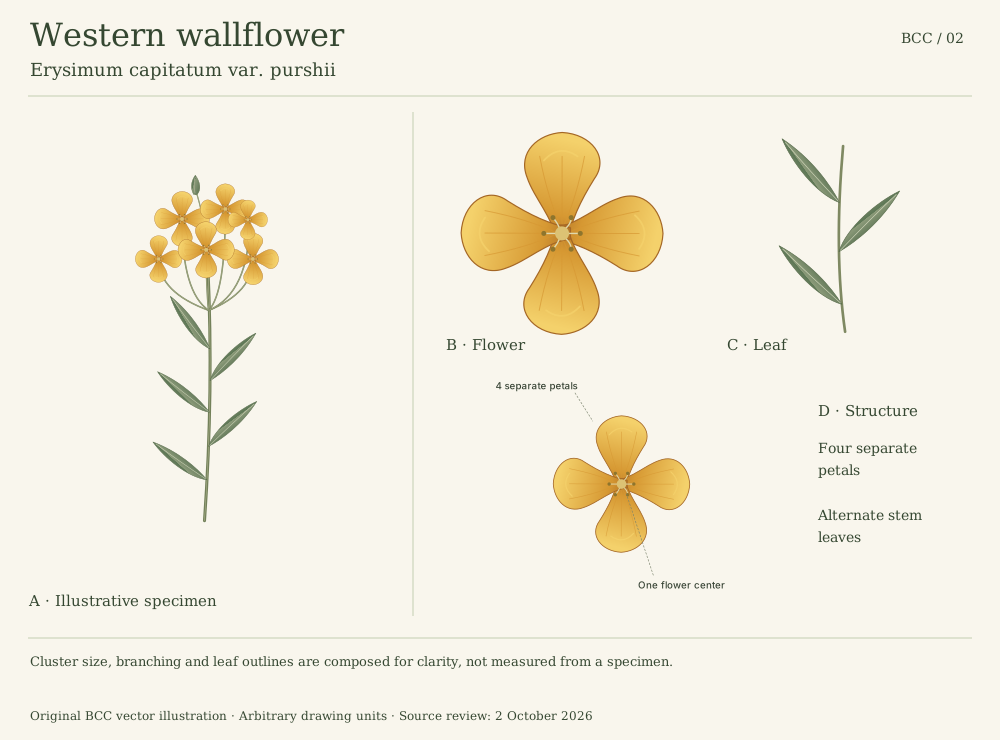
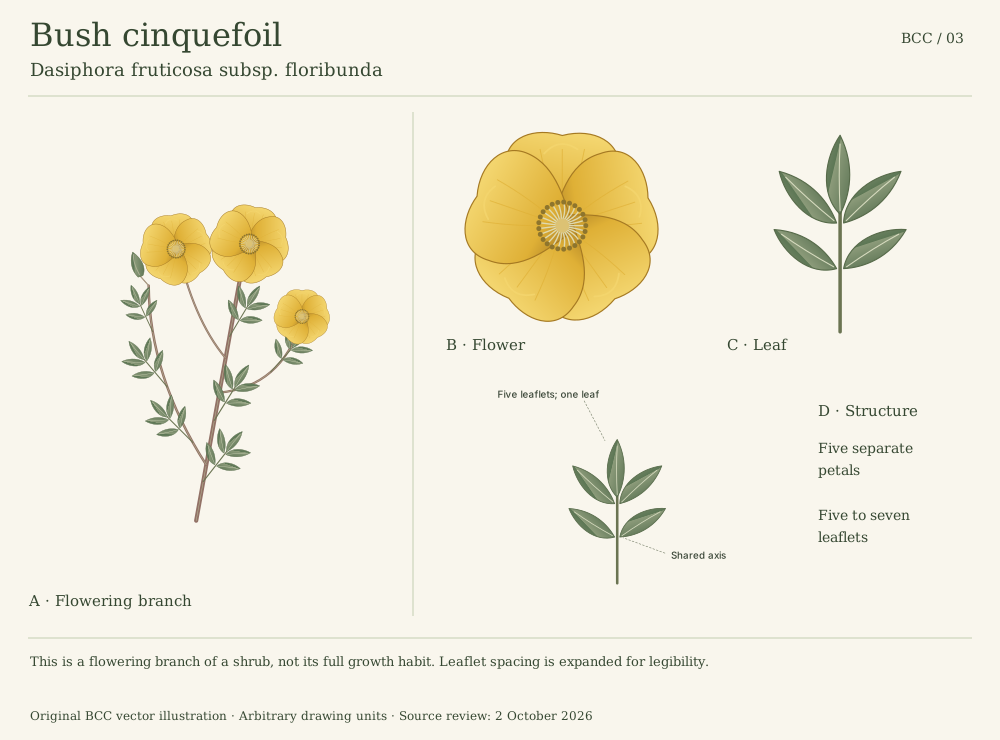
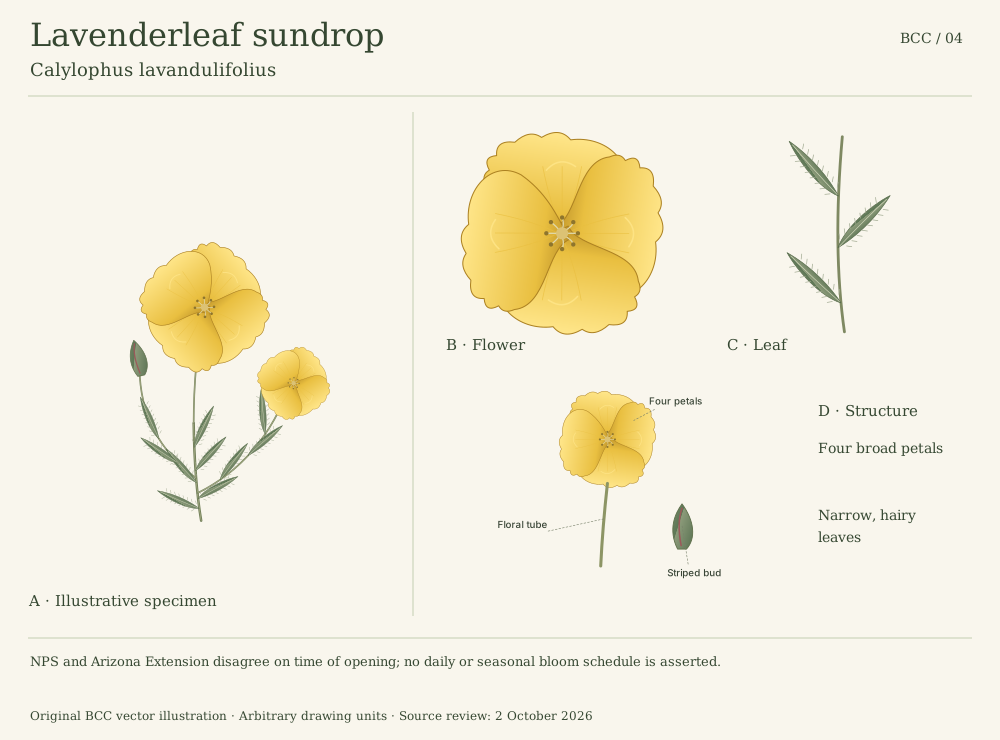
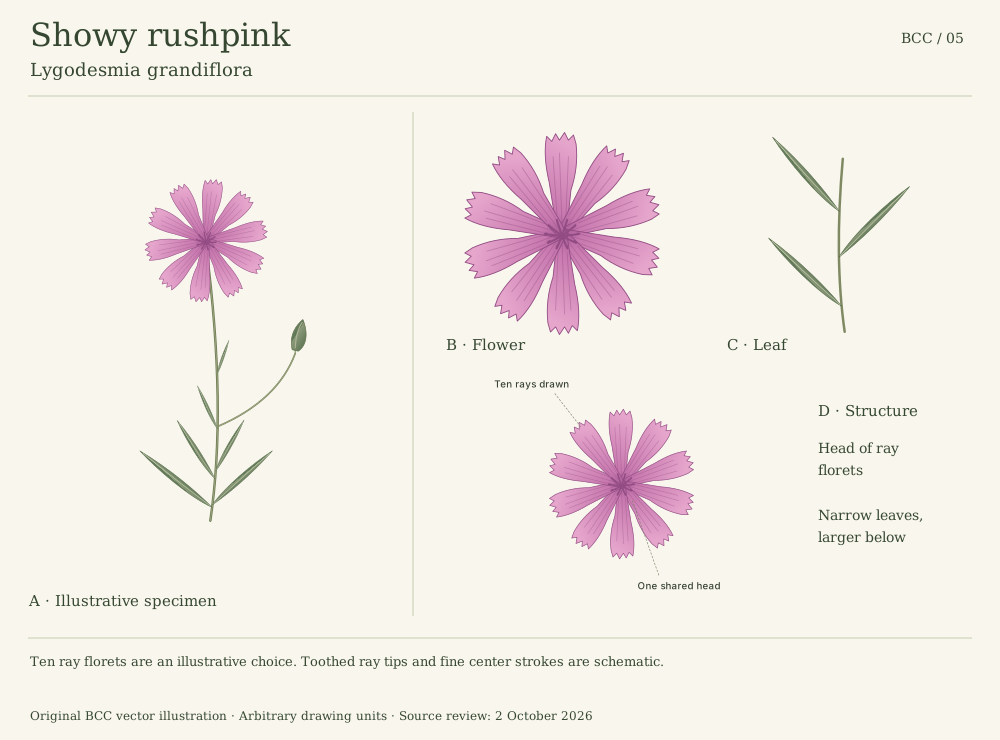
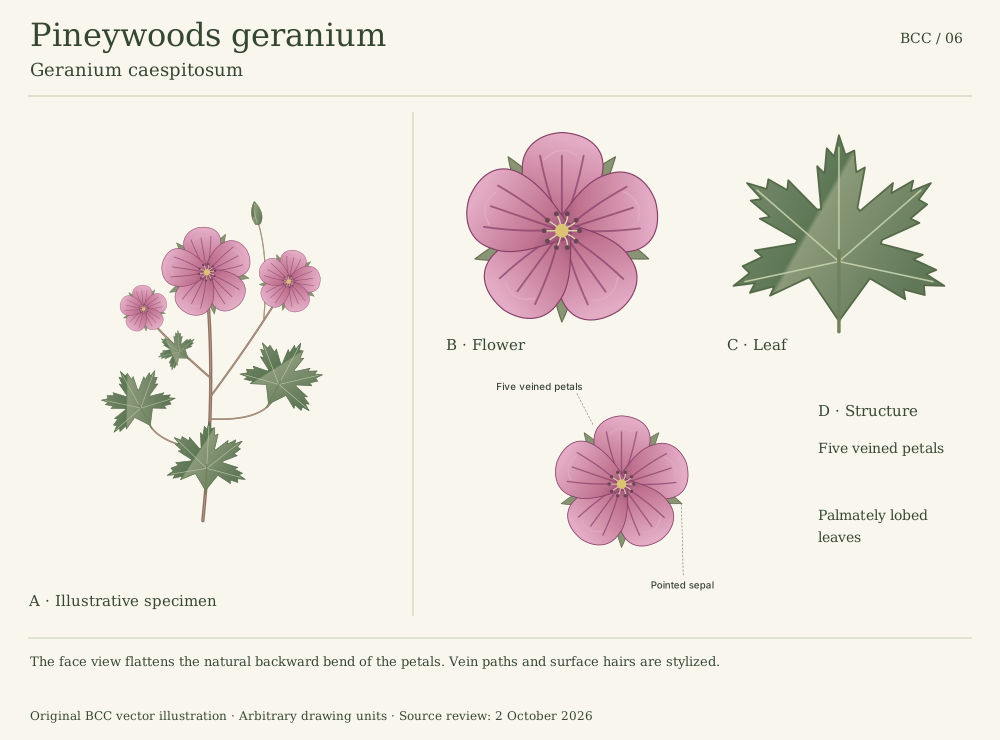
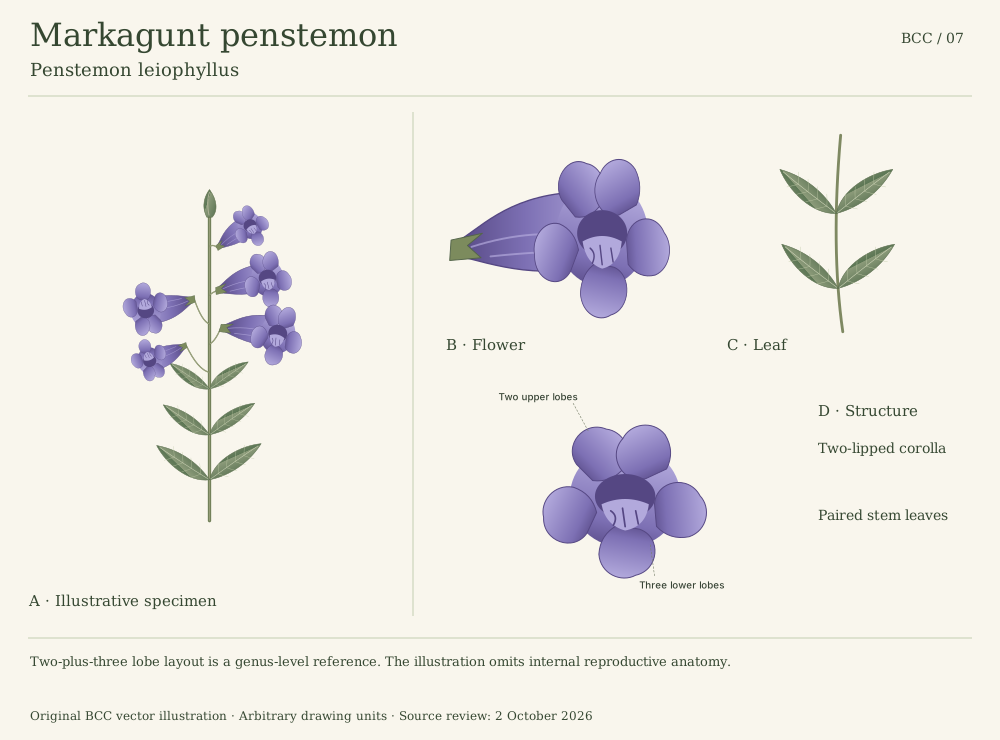
Twelve wildflowers from the National Park Service’s Bryce wildflower pages. Eight are drawn as specimen plates that show how each flower is built: five separate petals on blue flax, a joined tube on scarlet gilia.
Four of the twelve have entries in this guide. The plates show structure, not color samples or flowering dates.
IllustrationEight specimen plates. Drawings by Bryce Canyon Conservancy from the NPS Bryce wildflower pages (2023) and botanical references; not to scale.
Also on the NPS wildflower list, without a plate here: Yarrow, Showy milkweed, Western iris, Wyoming paintbrush.
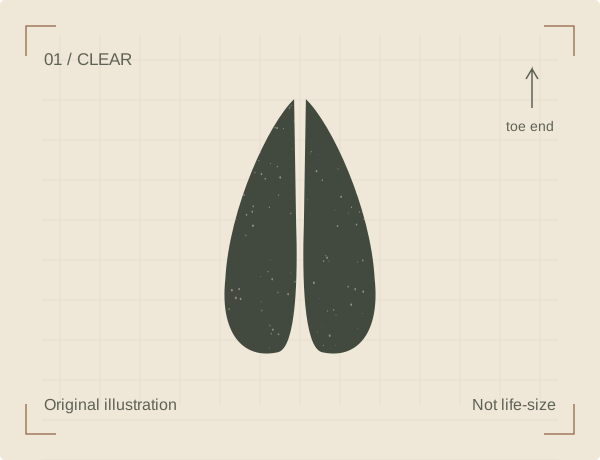
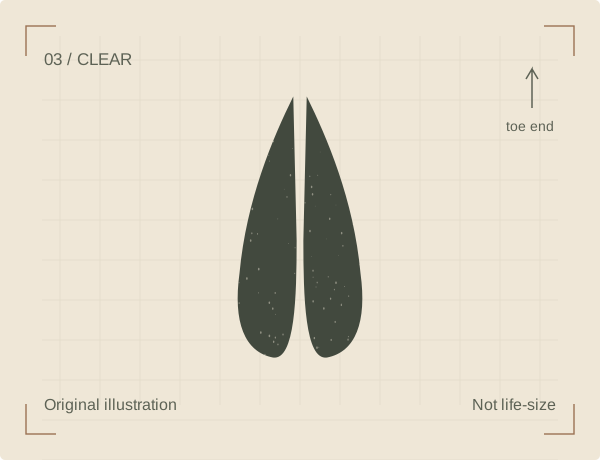
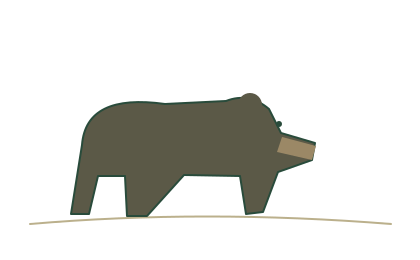
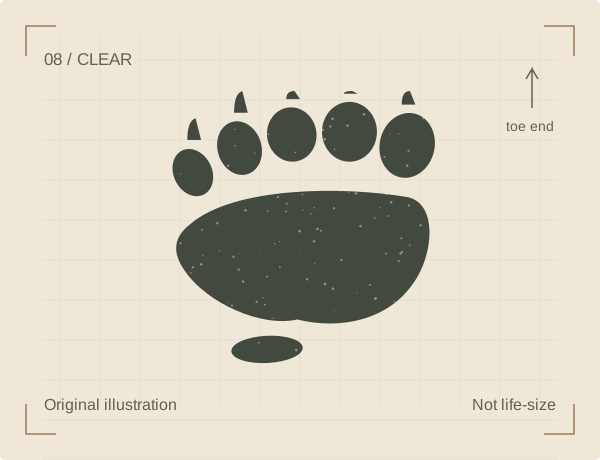
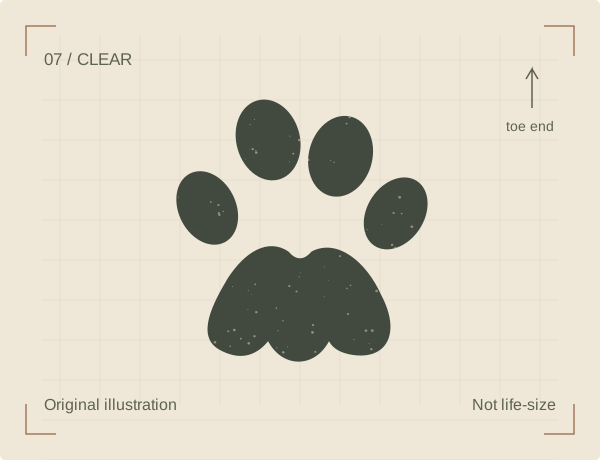
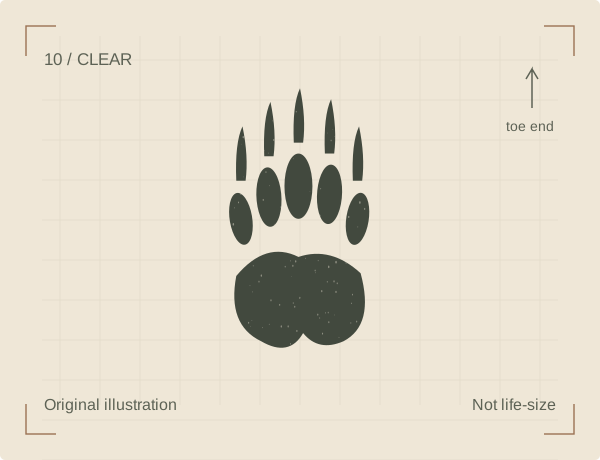
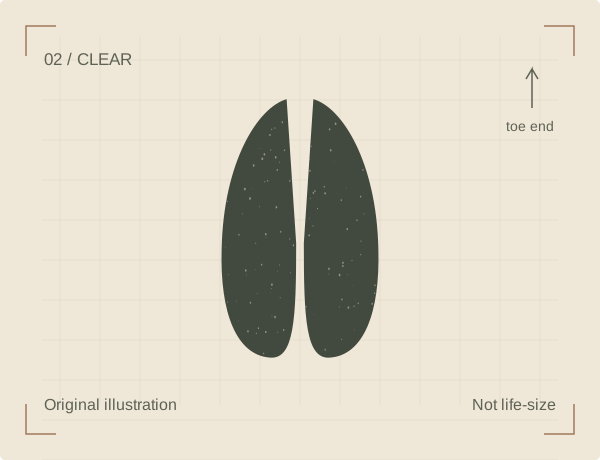
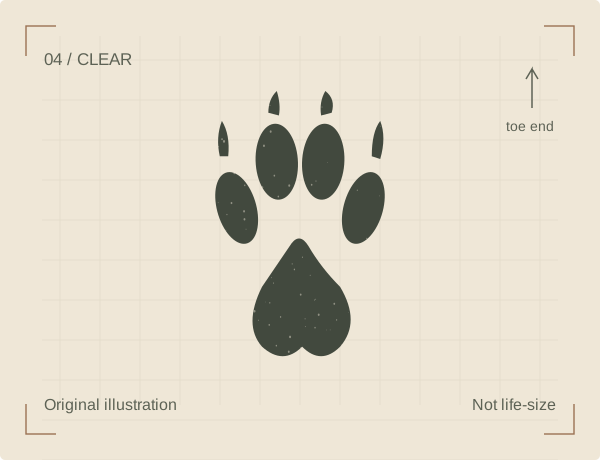
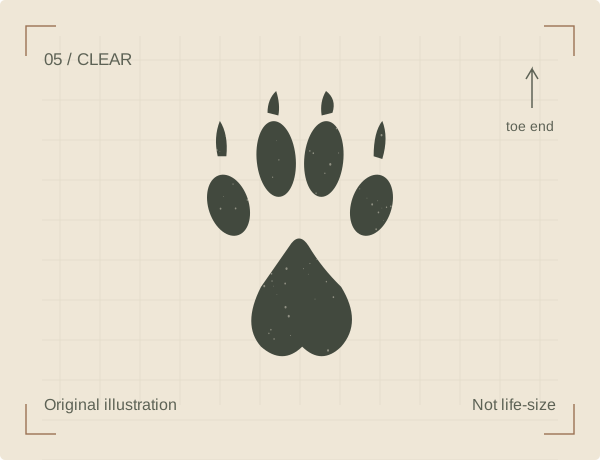
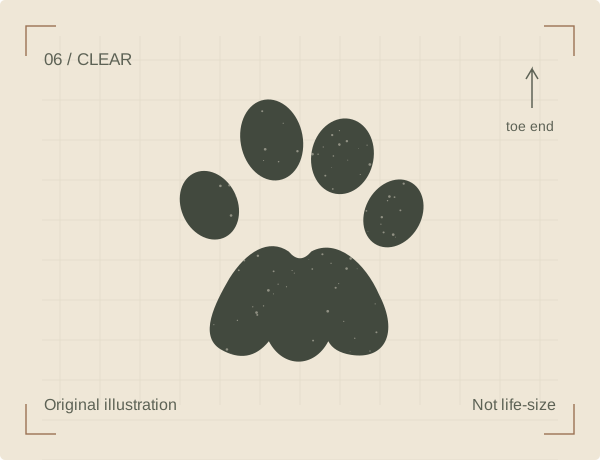
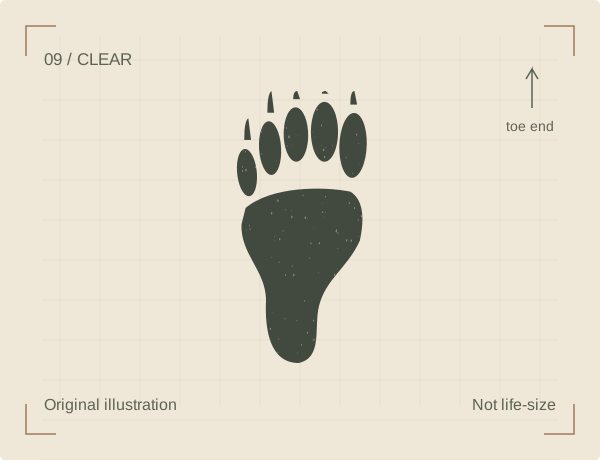
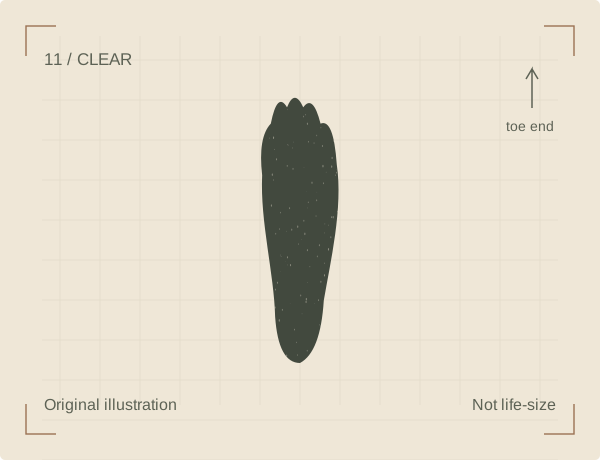
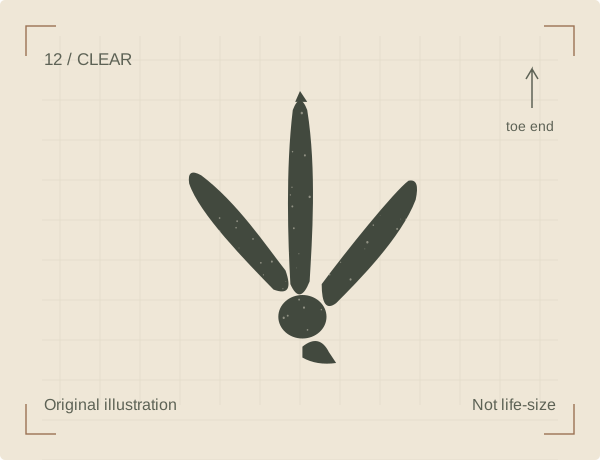
Twelve tracks of mammals and birds on the park’s National Park Service lists, from mule deer and elk to a black bear and a wild turkey. Each is drawn as a clear print; the interactive view adds partial and softened prints.
A print is rarely complete. Claws may not register, a partial print can hide a toe, and a single track cannot separate a coyote from a dog or a mule deer from a white-tailed deer. Look from established trails.
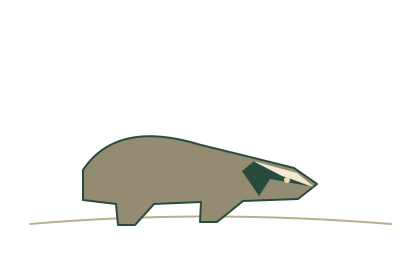
American badgerForeprint length 3½ in, width 2 in (an example)
Desert cottontailHindprint length 3–3½ in
Wild turkeyTrack length 4 in (an example)
IllustrationTwelve tracks, drawn as clear prints. Drawings by Bryce Canyon Conservancy from published track references; sizes are general references, not Bryce measurements.
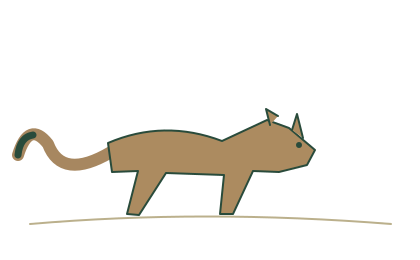
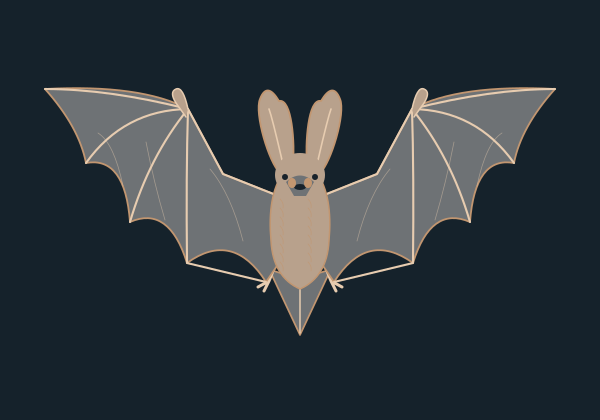
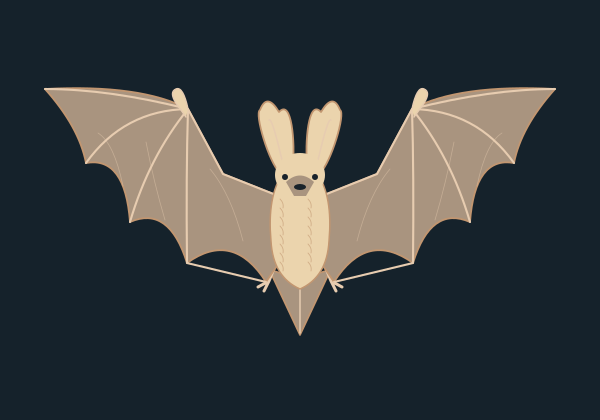
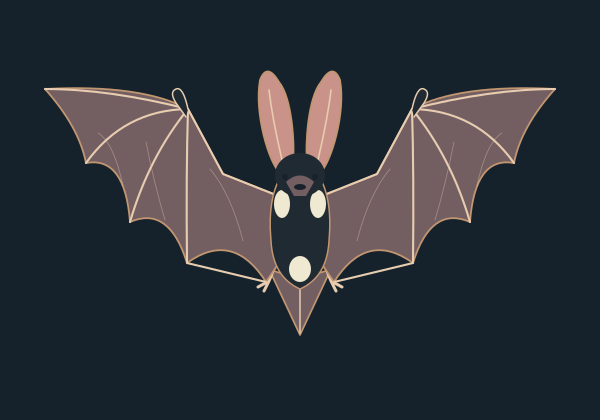
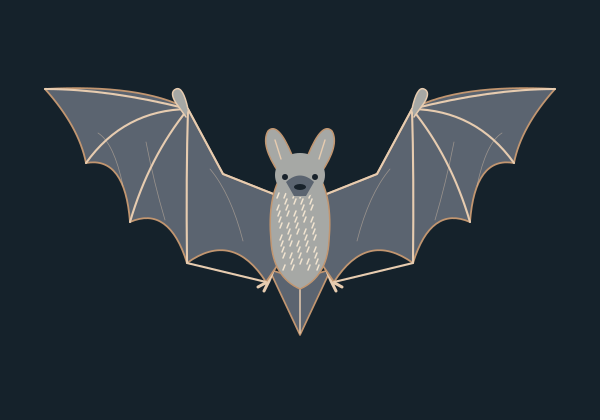
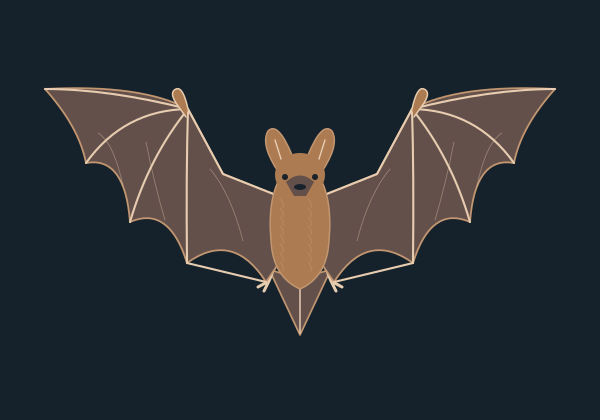
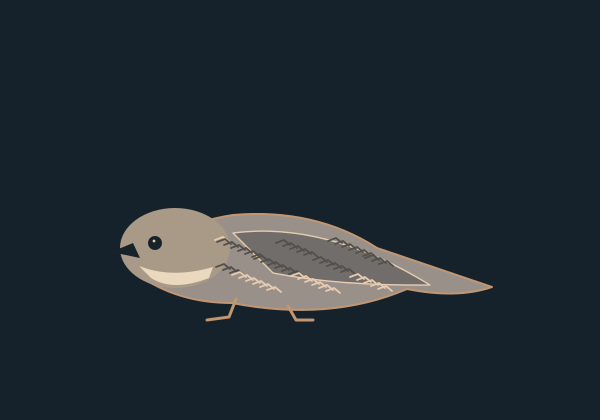
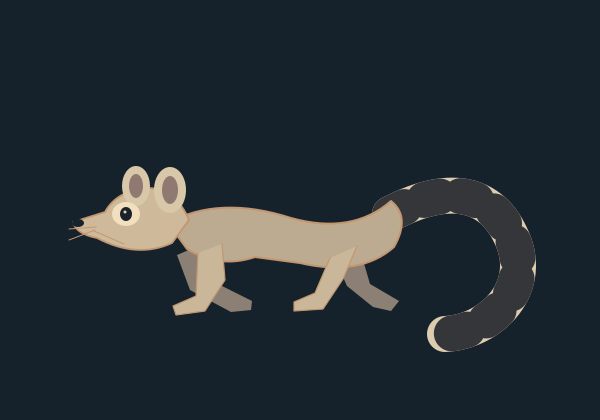
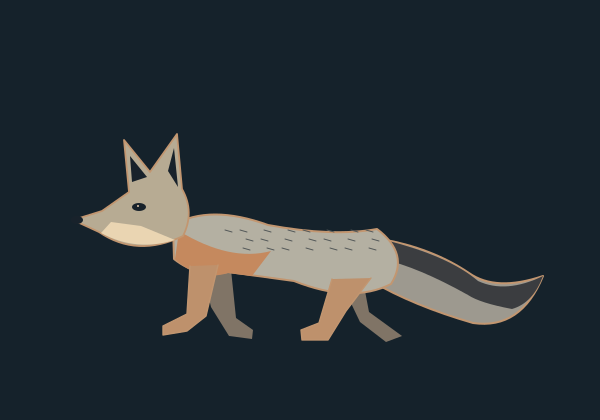
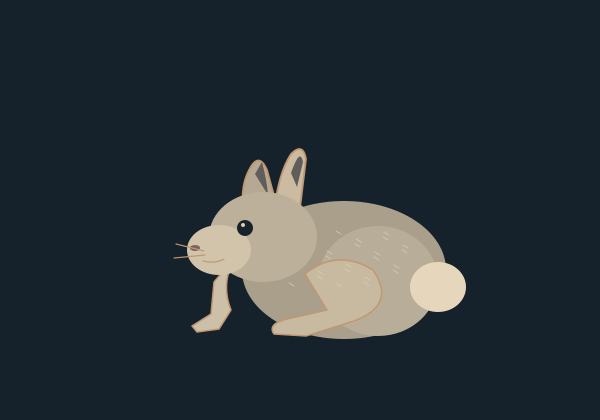
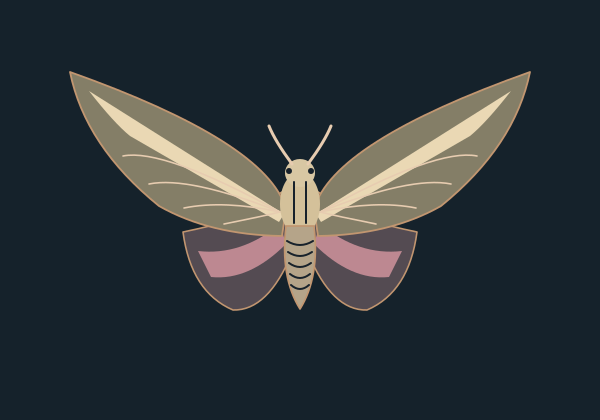
Twelve animals active from dusk to deep dark, in four short chapters: five bats, two owls, a common poorwill, a ringtail, a gray fox, a mountain cottontail, and a white-lined sphinx moth as a regional example.
The park’s bat page and its NPSpecies checklist do not always agree: Townsend’s big-eared bat is on the first and marked “probably present” on the second, and the study keeps both records. Artificial light can change wildlife behavior; watching does not require drawing animals toward a light.
Townsend’s big-eared batCorynorhinus townsendii
Pallid batAntrozous pallidus
Spotted batEuderma maculatum
Hoary batAeorestes cinereus
Big brown batEptesicus fuscus
Great horned owlBubo virginianus
Northern saw-whet owlAegolius acadicus
Common poorwillPhalaenoptilus nuttallii
RingtailBassariscus astutus
Gray foxUrocyon cinereoargenteus
Mountain cottontailSylvilagus nuttallii
White-lined sphinx mothHyles lineata
IllustrationTwelve night-active animals; the sphinx moth is a regional example. Drawings by Bryce Canyon Conservancy, not to a shared scale.
Great Basin bristlecone pines grow at Bryce on the high, exposed ground of the southern rim, and the National Park Service describes trees along the Bristlecone Loop as up to 1,800 years old. Bristlecone Point, a named summit in the north of the park, is a different place.
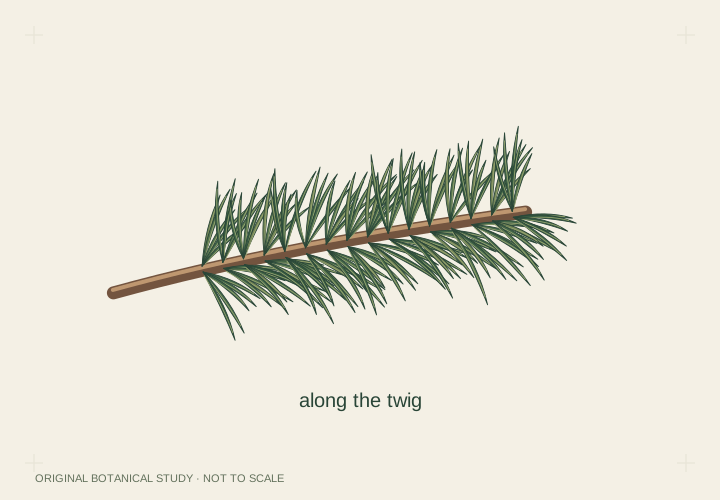
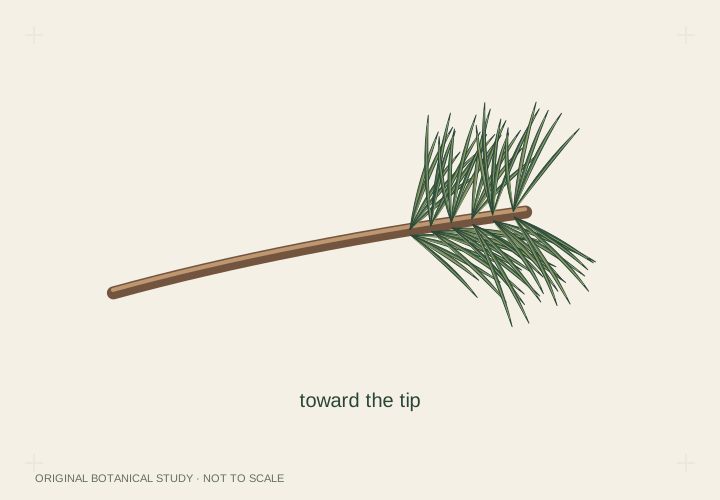
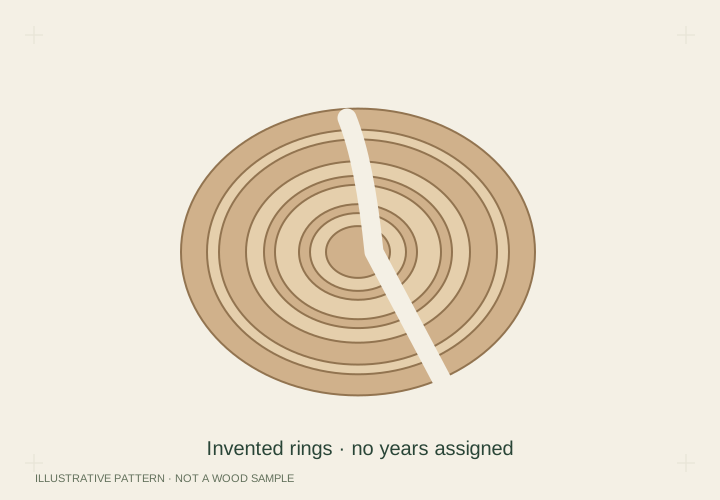
Like limber pine, it carries its needles in bundles of five, but its foliage extends back along the branch instead of clustering near the ends, and its developing cones, often purple, carry bristles. An age comes from counting and matching rings in wood samples; missing or extra rings complicate the count, and a tree can live on in a narrow strip of bark.
Bristlecone: foliage along the twig
Limber pine: foliage near the ends
Rings carry the evidence
IllustrationBristlecone and limber pine foliage, and a ring pattern of the kind used as age evidence. Drawings by Bryce Canyon Conservancy after NPS Bryce and Great Basin pages and NOAA; invented rings, no physical scale.
Living soil crusts of cyanobacteria, lichens and mosses bind the surface of the soil and help stabilize it. In 2010, NPS monitoring in sampled pinyon-juniper plots at Bryce recorded crust among the prominent surface cover. Some crusts look like bare soil, and trampling breaks the living surface: one more reason to stay on established trails.
Add a species you want to notice. If you choose to mark one later, keep “possibly noticed” available to yourself.
This checklist stays in this browser. It records no date, location or personal details, is never submitted, and is not a verified occurrence record. Clearing browser data removes it.
Local saving is available with the interactive tools.
A place to start
One tree. One bird. One question.
Use “Add to list” on a field-guide card. New items begin as “Want to notice”; nothing is marked as seen automatically.
Clear all items from this browser’s Living Bryce list?
Take the observation. Leave the place.
A gentler way to look.
01
Give wildlife room
Use binoculars or a zoom lens. Move back if an animal approaches or reacts to you. Minimum viewing distances vary; check the park’s current guidance. 7 Ways to Safely Watch Wildlife, Safety
02
Keep the wild in wildlife
Secure food and trash. Skip handouts, bait and recorded calls. Quiet observation lets animals carry on with their own lives. 7 Ways to Safely Watch Wildlife
A broad community pattern associated with climate and elevation. Its boundaries overlap and do not predict a species at a point. Bryce Life Zones wayside
Phenology
The seasonal timing of life-cycle events, such as flowering or migration. A typical window is different from an observation this year. Wildflowers, Birds
Evidence & limits
What this guide can tell you.
A documented selection
All 28 taxa have an explicit NPS Bryce record. Habitat descriptions may describe Bryce, Utah or the species more broadly; each record says which. This guide is not a complete inventory, a population estimate or a report of current sightings.
The Utah prairie dog’s federal status was checked separately against 50 CFR 17.11, current through September 30, 2026. No status badge on another record means no assessment here, not “unprotected.”
Drawings with a purpose
Every new image is an original code-drawn illustration. Shapes, spacing and colors are simplified, not to scale, and never presented as specimen photographs or measured observations. No third-party wildlife photographs were reused.
No independent botanist, wildlife biologist or assistive-user review is recorded. Source disagreements and corrected names remain in the data and source audit.
Source retrieval is not scientific review. Older interpretive pages are used for stable traits, with dated conservation information checked separately.
Shares only chosen species, habitat and season. Your search and checklist stay private.

 IllustrationTrait drawing · not to scale